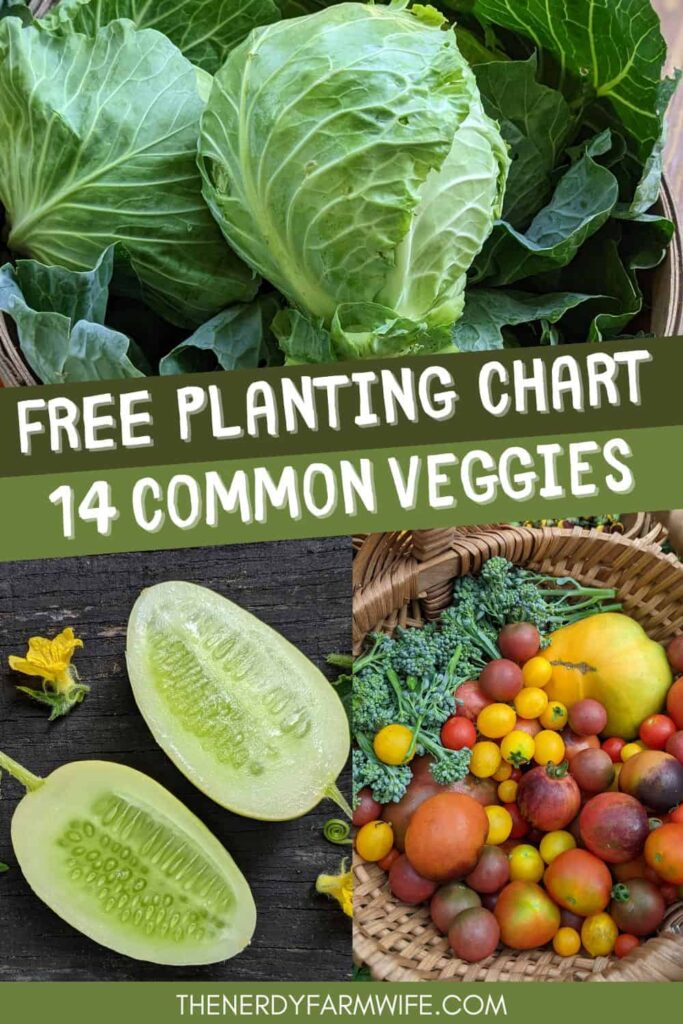
Growing 14 Common Garden Vegetables (+Free Printable!)
Convenient, condensed, and with a bonus free printable reference sheet, here’s how to grow 14 common garden vegetables, all in one handy place!

Beans/Wax Beans
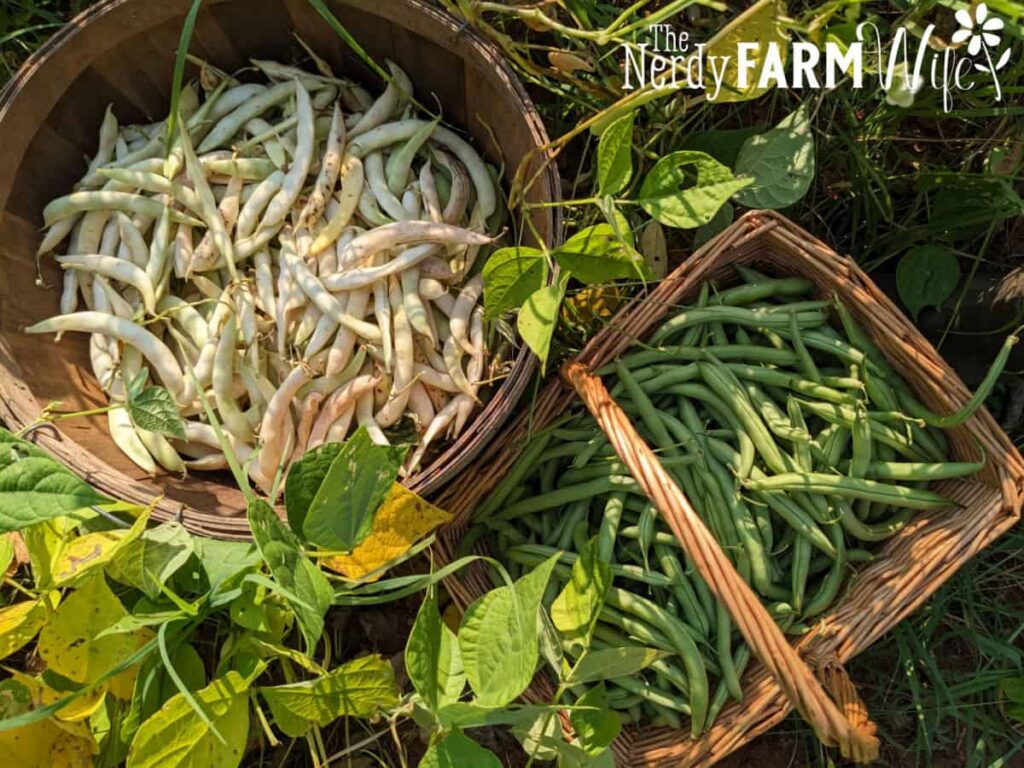
Dry beans, fresh shell/shelly (also sometimes spelled as shellie) beans, wax beans, and green beans are all sown in the same conditions, as they are all Phaseolus vulgaris, otherwise known as the ‘common bean’.
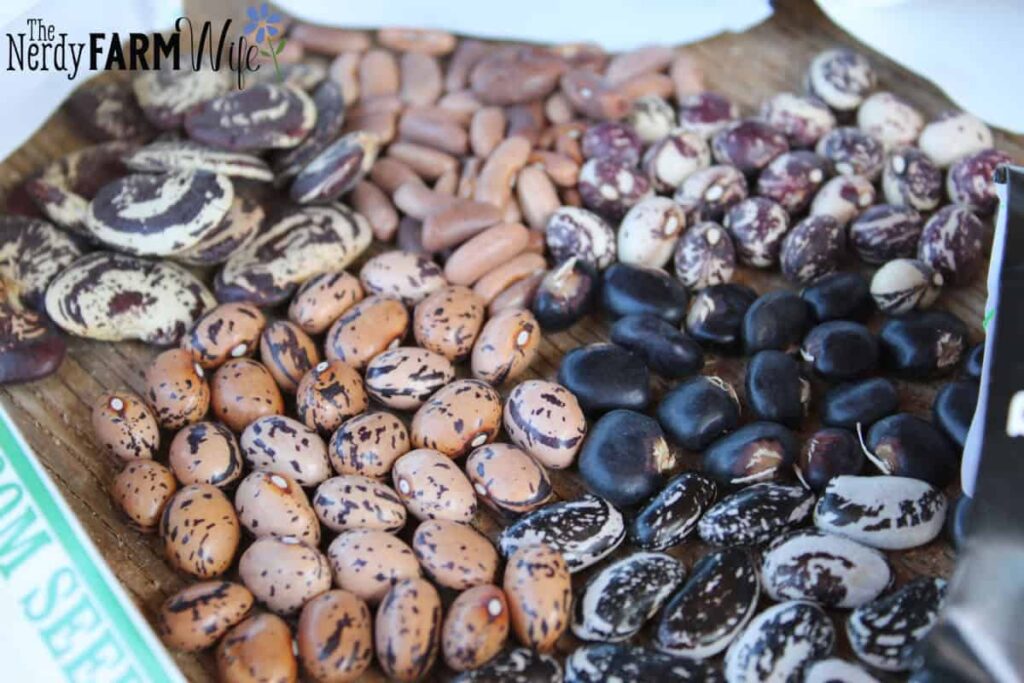
- Seed size: Large
- When to start: Any time after the last frost of the year has passed, and the soil has begun to re-warm- usually about 2-3 weeks after your estimated final frost date. Beans can also be sown in summer for a fall harvest in some climates.
- Spacing: Bush Beans- space bush bean seeds 4 inches apart. Sometimes gardeners sow beans 2 inches apart and then thin to 4 inches. I like to just go ahead and sow mine at the 4 inch spacing. Rows should be spaced at least 12 to 18 inches apart.
Pole Beans- space pole bean seeds 8-12 inches apart along a trellis- check packet for variety-specific instructions. They can also be planted 4 inches apart and then thinned to 8-12 inches apart, if desired. If planting pole beans to grow up poles, not trellises, then sow 2-3 beans at the base of each pole.
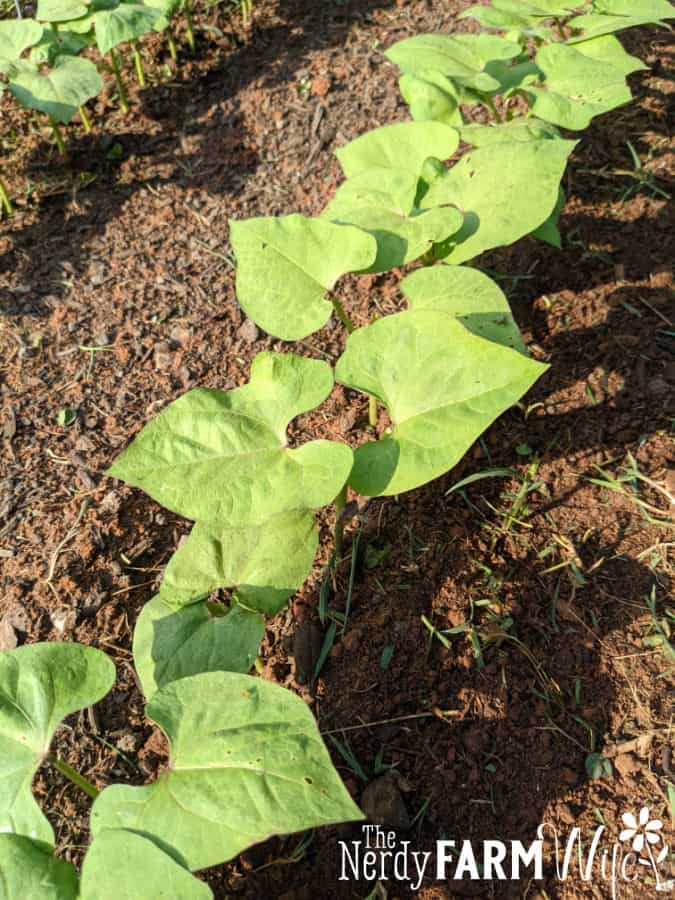
- Sowing method: Direct-sow seeds into the garden 1 inch deep. Once beans have been sown at the appropriate spacing, cover them back up with soil, tamping everything down securely with your hand, foot, or back of a garden tool, and water well.
- Estimated days to germination: 8-10 days. Germination can be slower in cold weather.
- Cold-hardiness: None. Beans will die if hit with frost, and bean seeds tend to rot in the soil if the ground is too cold when sown. Soil temperature for beans is ideally 60-65°F or above to reduce seed rot chance, but they can still be sown as long as the soil is 50°F or higher.
- Sun required: Full sun. Some types of pole beans are shade-tolerant, but for the best chances of a bigger harvest, aim for 6+ hours of direct sunlight.
- Soil requirements: Ideally, provide well-draining soil for your beans. They are light feeders, usually not requiring any additional fertilizers to be mixed in. Some people do like to use a bean inoculate on their bean seeds, which can sometimes help improve germination or hasten development of the nitrogen-fixing root nodules that beans are so well-known for.
- Support required?: Trellises or poles are required for pole beans, but bush beans do not require supports to grow on. It’s usually recommended to provide an 8 ft tall support for pole beans, but I’ve grown pole beans on 7 ft and 6 ft tall trellises before, so if you can’t find something that tall, it’s fine to go a little shorter.
Broccoli
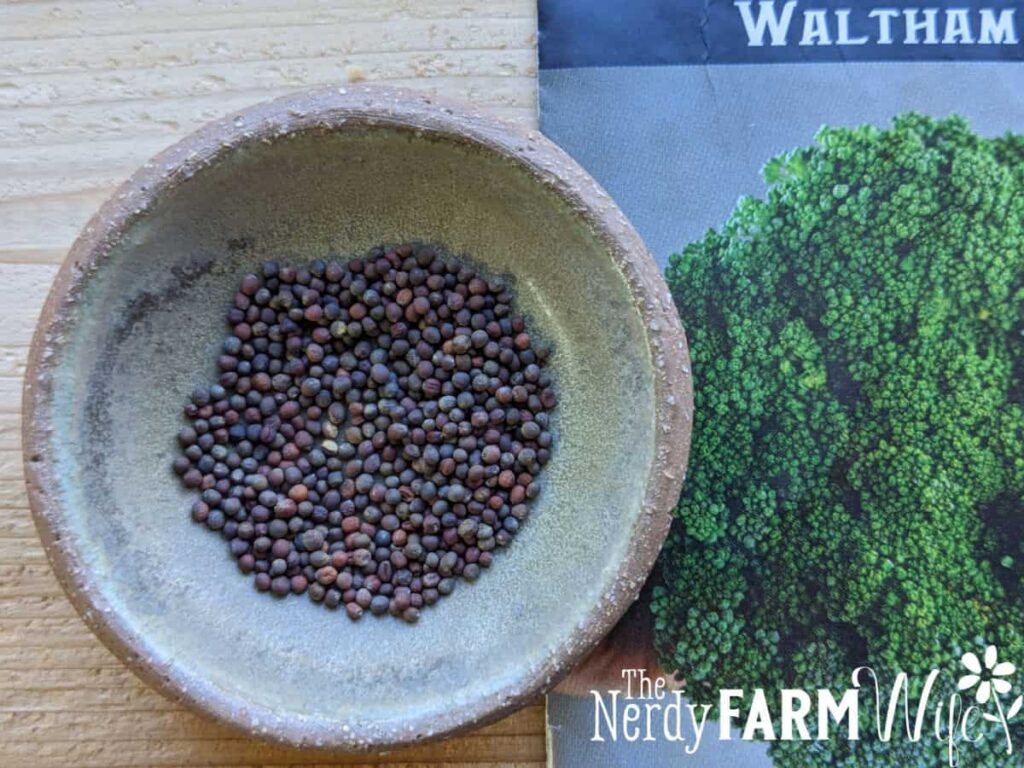
- Seed size: Small
- When to start: Start indoors 4-6 weeks before the date you want to plant seedlings outside.
For a fall crop: Fall broccoli gets started from seed in summer, planted outdoors at a time when it will have enough days left in the growing season to set a harvest before frost-kill sweeps in and stops growth.
To calculate the time to start fall broccoli, take the number of the days till maturity on your broccoli seed packet, then add about 6-8 weeks (to compensating for the time needed for seeds to germinate, grow, and harden off before transplanting). - Sowing method: Sow seeds 1/4 inch deep. Start indoors in flats or containers under grow lights/a sunny window.
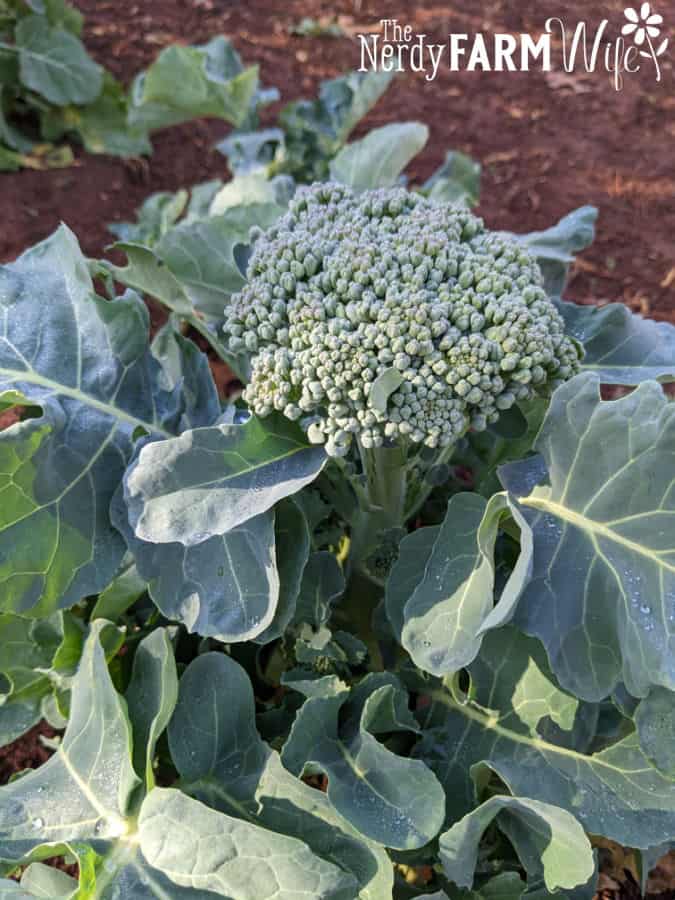
- Spacing: Space plants 1-2 feet away from one another in the garden. Rows should be at least 2 feet apart.
- Estimated days to germination: 7-14 days. I’ve had one packet of broccoli seeds sprout in 3 days before, however, so keep an eye out!
- Cold-hardiness: Considered cold-hardy. Can tolerate light frosts, though younger plants might need some protective covering.
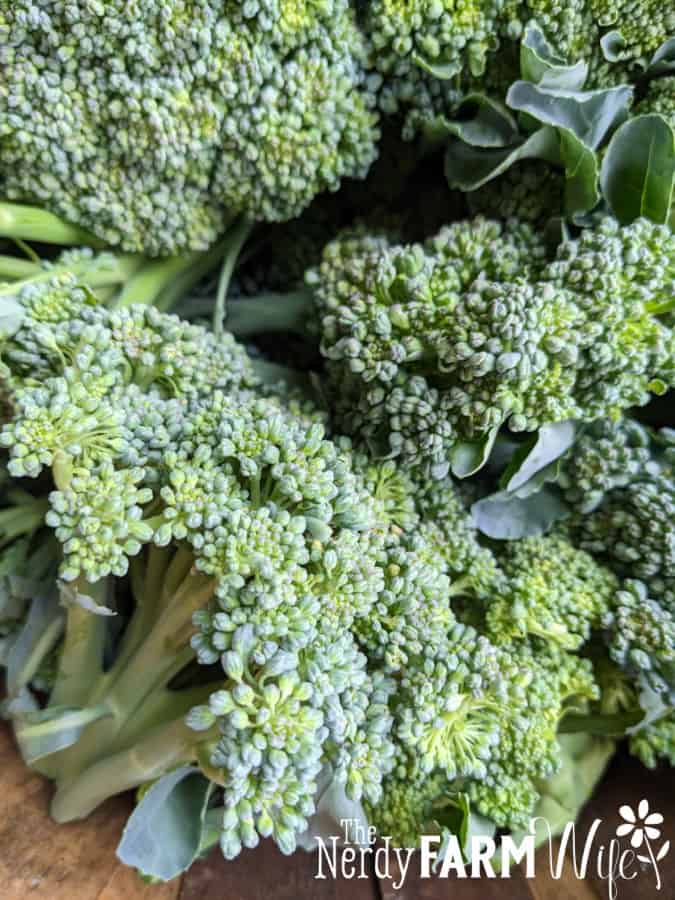
- Sun required: Full sun. 6-10+ hours of direct sunlight for best results.
- Soil requirements: Heavy feeder! You’ll want to provide compost and/or fertilizer when planting in poor or low fertility soil.
- Support required?: Highly unlikely to be needed. Healthy plants should be sturdy and stocky enough to keep themselves upright.
Cabbage
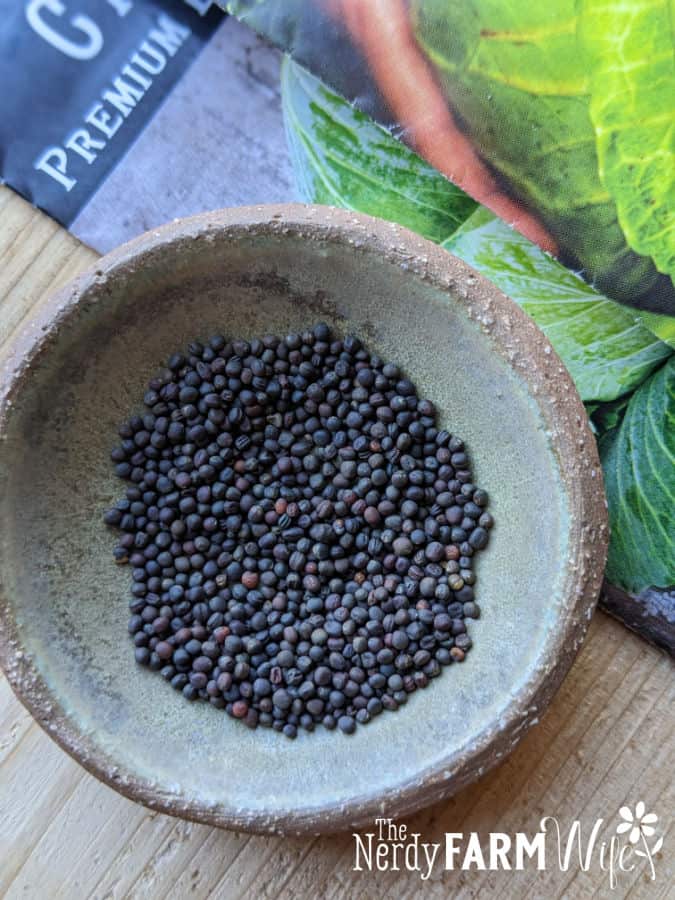
- Seed size: Small
- When to start: Like broccoli (and cauliflower) cabbage is started at the same time as broccoli is, 4-6 weeks before you want to plant them.
For fall crop: See broccoli, above- cabbage is handled the same way. - Sowing method: Sow seeds 1/4 of an inch deep, in containers or seed flats indoors. Good bright lighting, ideally from grow lights (though a window can also work) is essential for encouraging stocky, healthy growth.
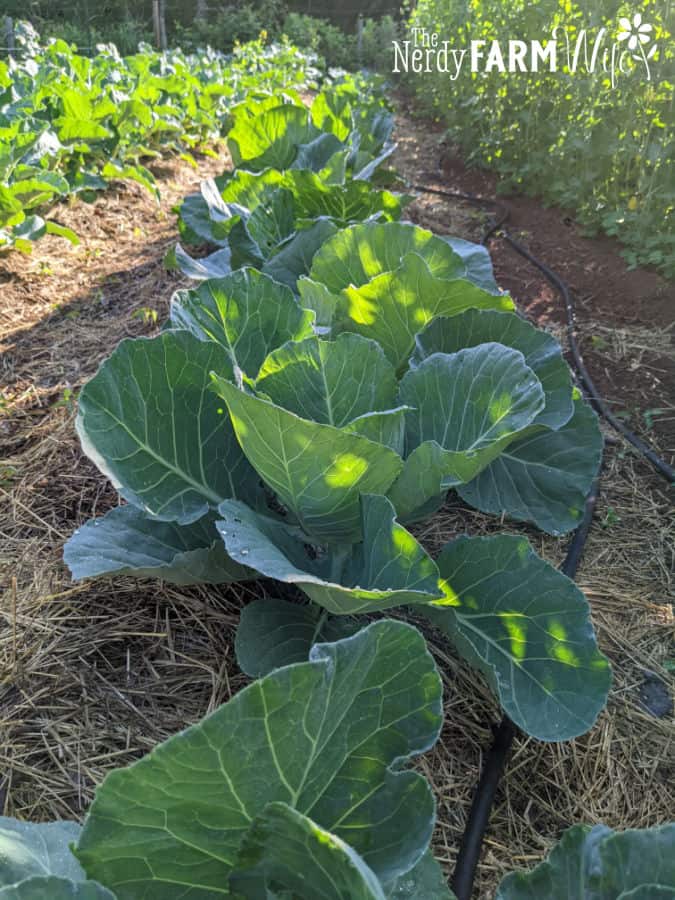
- Spacing: In the garden, cabbage plants are usually spaced 2 feet apart (sometimes 3 feet) with rows placed with a 3 foot separation.
- Estimated days to germination: 7-14 days.
- Cold-hardiness: Yes, cabbage is considered cold-hardy and many varieties can withstand some light to moderate frosts. Through my personal experiences, I would say cabbage is the most cold-hardy out of the trio of broccoli, cauliflower, and cabbage: it seems to take the least damage out of the three when frost hits, and also lasts the longest in our garden before winter finishes it off for the year.
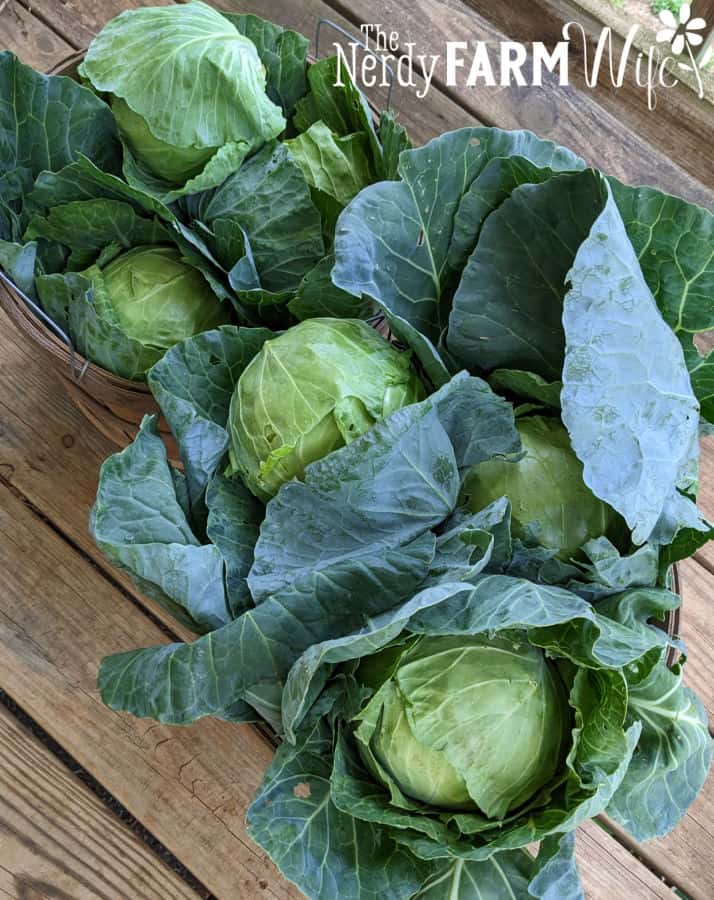
- Sun required: Full sun, 6-10+ hours, is preferred.
- Soil requirements: Heavy feeder. Provide compost &/or fertilizer when planting in poor or low fertility soil.
- Support required?: No.
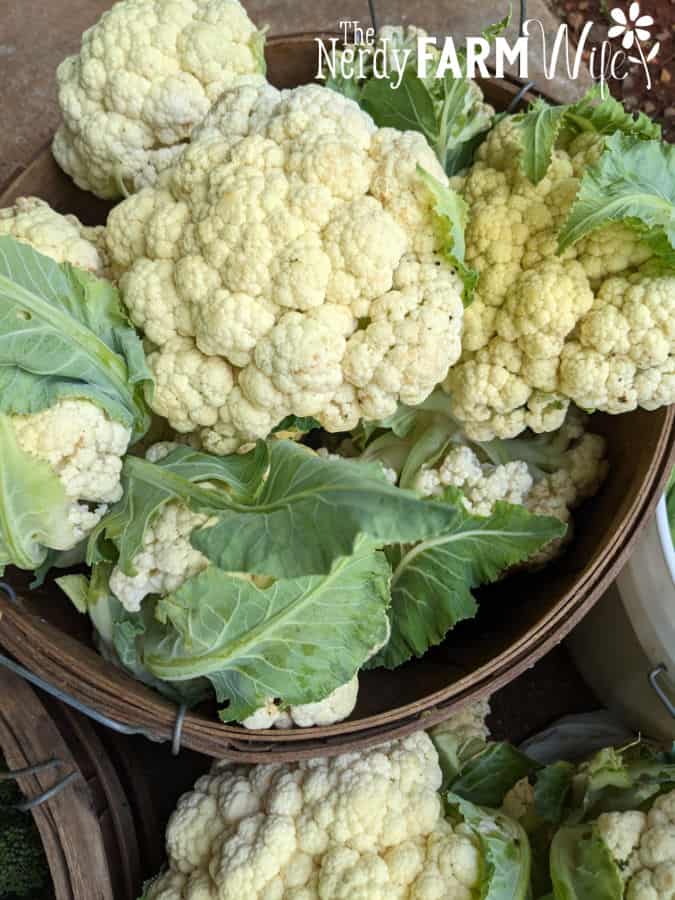
Cauliflower
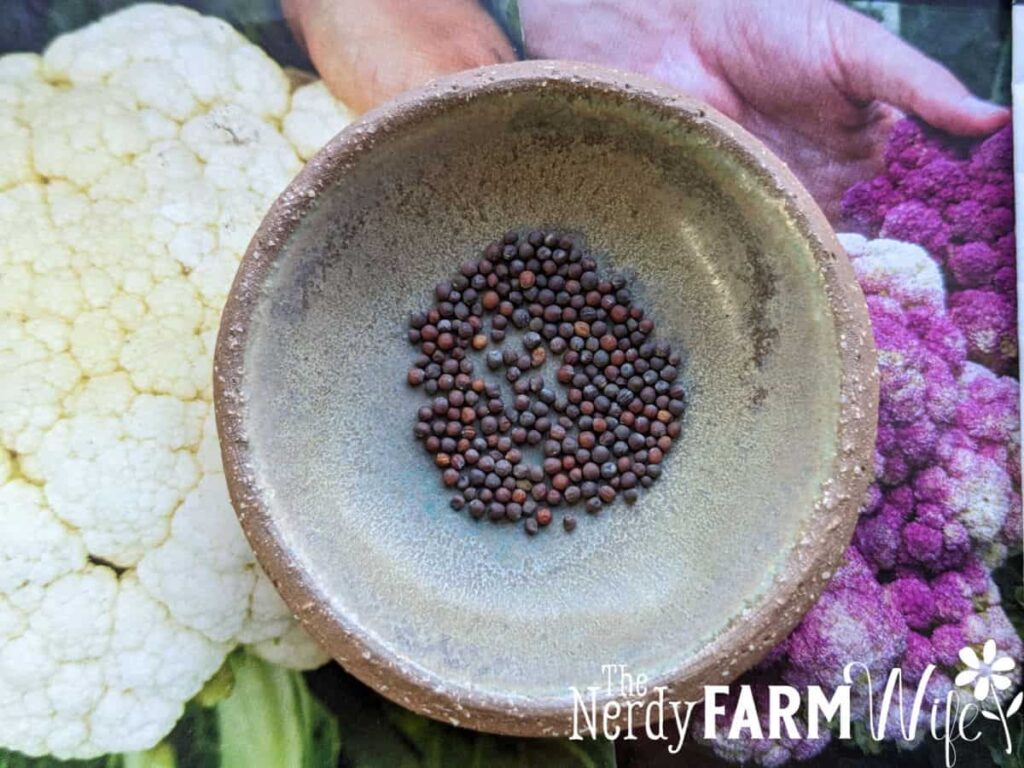
- Seed size: Small
- When to start: Start indoors, 4-6 weeks before you plan to move the plants into the garden.
- Sowing method: Identically to broccoli and cauliflower, sow the seeds 1/4 of an inch deep in seed trays or containers.
- Spacing: Cauliflower plants should be placed at a 1 1/2 feet apart, ideally (spacing can potentially change for some varieties, so be sure to check your seed packet!), and rows at 2 1/2 – 3 feet apart.
- Estimated days to germination: Seeds should germinate in 7-14 days.
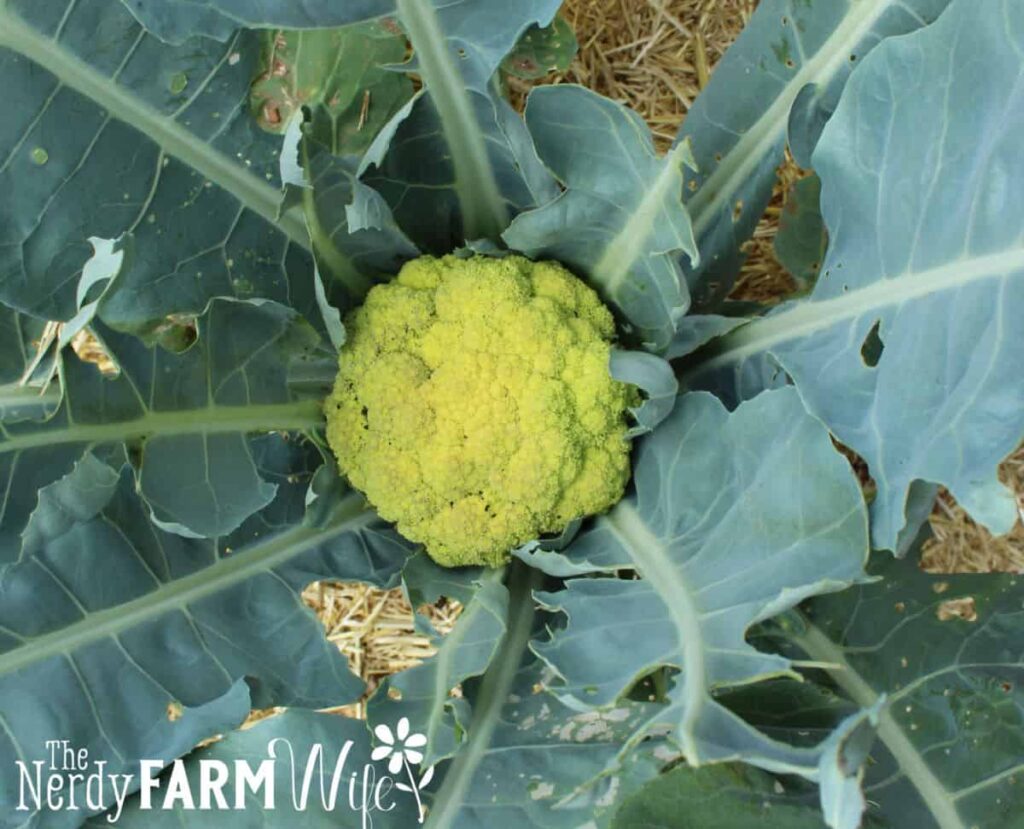
- Cold-hardiness: Frost tolerant, but mostly in spring. “Curds” (cauliflower heads) don’t handle hard freezes, and often get spoiled by frost. I consider cauliflower less cold-tolerant than its relatives, broccoli and cabbage, purely based off my own experiences with cauliflower– it also seems to have a harder time with hot weather than the other two, as well.
- Sun required: Full sun! As much as you can get it- while 6+ will suffice, it’s better to provide more if at all possible.
- Soil requirements: Heavy feeder- provide well-draining soil that’s rich in organic matter for best results.
- Support required?: Nope!
Carrots
- Seed size: Tiny!
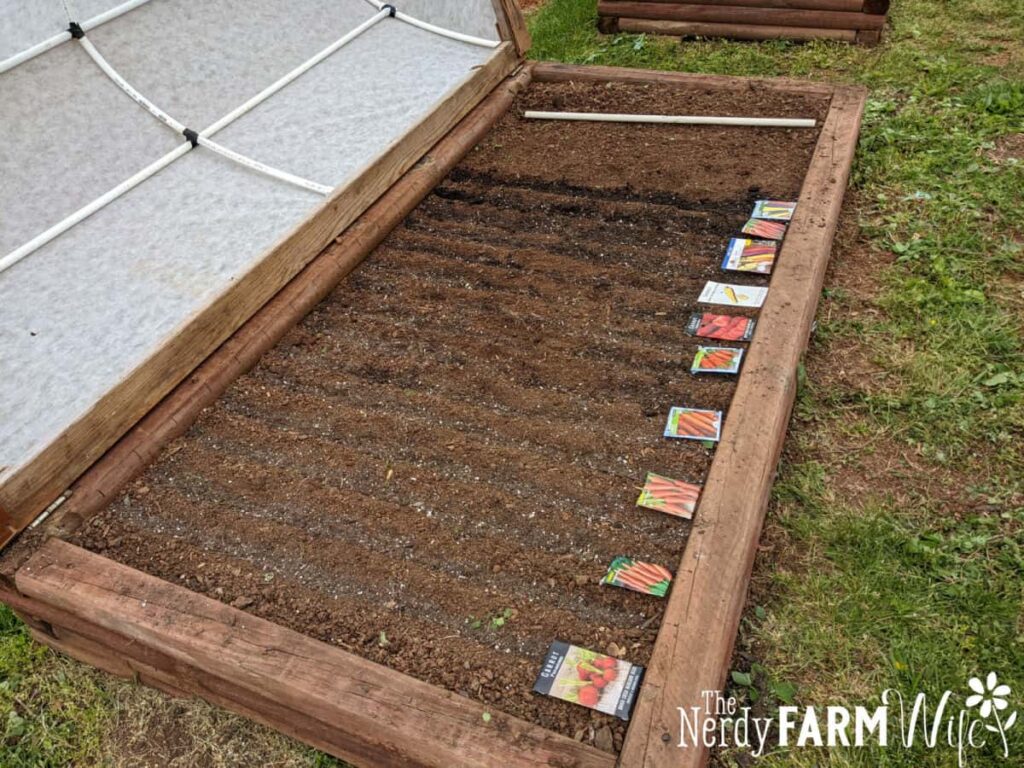
- When to start: 2-3 weeks before estimated final frost date in spring. Seeds can be succession-sown every 3 weeks from that point. For a fall gardens, sow carrots around 10 weeks before your estimated first fall frost date: some people prefer fall carrots, as they will experience a touch of frost before harvesting, which sweetens them.
Kyoto Red: Kyoto red carrots, and potentially a few other carrots like them, are sown in late summer, through fall, or even in winter, instead of in spring. Before sowing, check your seed packet to make sure there’s no special instructions for the variety you’re planting!
- Sowing method: Direct-sow seeds straight into the garden. They should only be covered to a depth of 1/8-1/4 of an inch, with seeds being sown about an inch apart, if possible.
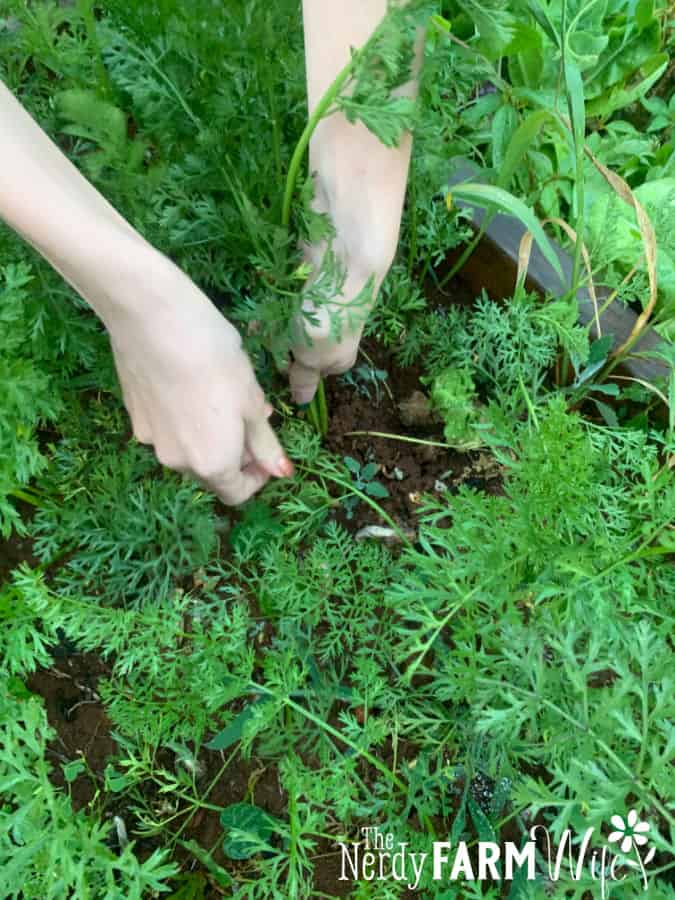
Carrot seeds are known to be rather difficult to sow evenly and neatly, due to their tiny size. Some people just broadcast the seeds over the planting bed, bringing in soil to lightly cover the seeds after scattering them. Other people use pelletized seeds, or seed tape, to make things easier. - Spacing: Carrots should be thinned to 1 seedling every 2-4 inches. Spacing will vary somewhat depending on variety- some will need more space than others. Rows are usually about 6-12 inches apart.
- Estimated days to germination: 5-21 days. Carrots can be tricky to germinate! They’re so small and shallowly planted that they can dry out quickly. My great-grandfather used to lay a board over top the seeds until they sprouted, removing it afterwards- I’ve draped a layer of tulle over a seed bed to keep things moister under there (and keep the birds off), watering the bed straight through the fabric, lifting it off when enough of the seeds germinated.
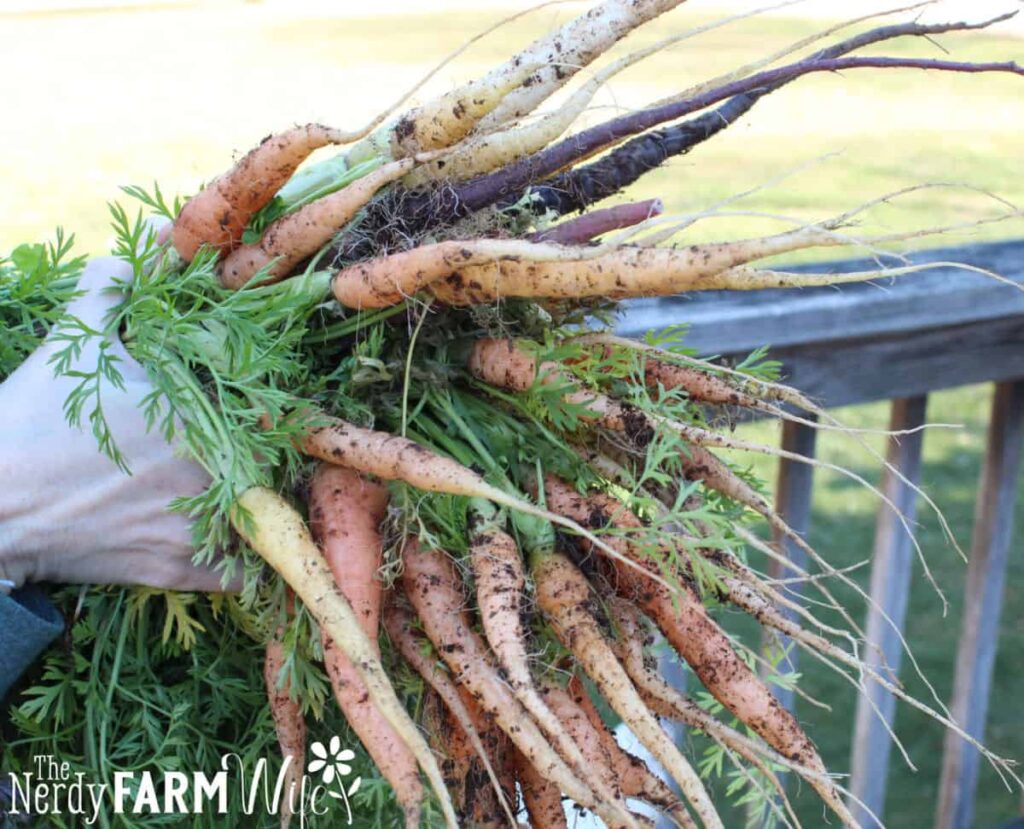
- Cold-hardiness: Yes, carrots are considered cold-hardy. It’s well-known that carrots get sweeter if you let them taste a bit of frost before you harvest them!
- Sun required: Full sun to light shade.
- Soil requirements: For well-formed, good-sized carrots, it is important to have deep, loose, well-worked and fine (often ideally sandy) soil that’s nicely fertile, with plenty of organic matter. And no competition, if possible! Keeping carrot beds well-weeded is an important part of carrot-growing.
- Support required?: No.
Corn
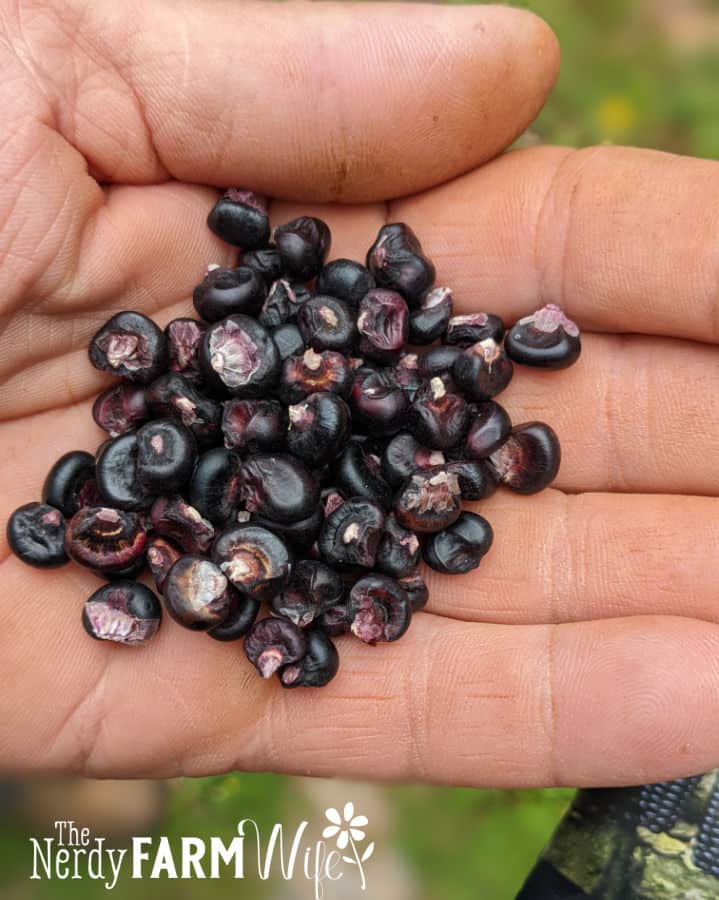
- Seed size: Medium
- When to start: After all risk of frost has passed, and the ground has started to warm back up- usually about 2-3 weeks after your final spring frost date has passed. More seed can be sown every 3 weeks for succession planting as long as there is enough time in the year for the plant to mature.
- Sowing method: Directly sown in the garden. Corn seed should be sown 1 to 2 inches deep. Usually a hoe is used to make furrows in the ground at the proper depth, and the seed dropped in at the proper spacing along the furrow. Seeds are commonly planted 6 inches apart, and then thinned to their final, proper spacing once they’ve all come up and grown about 2-3 inches tall.
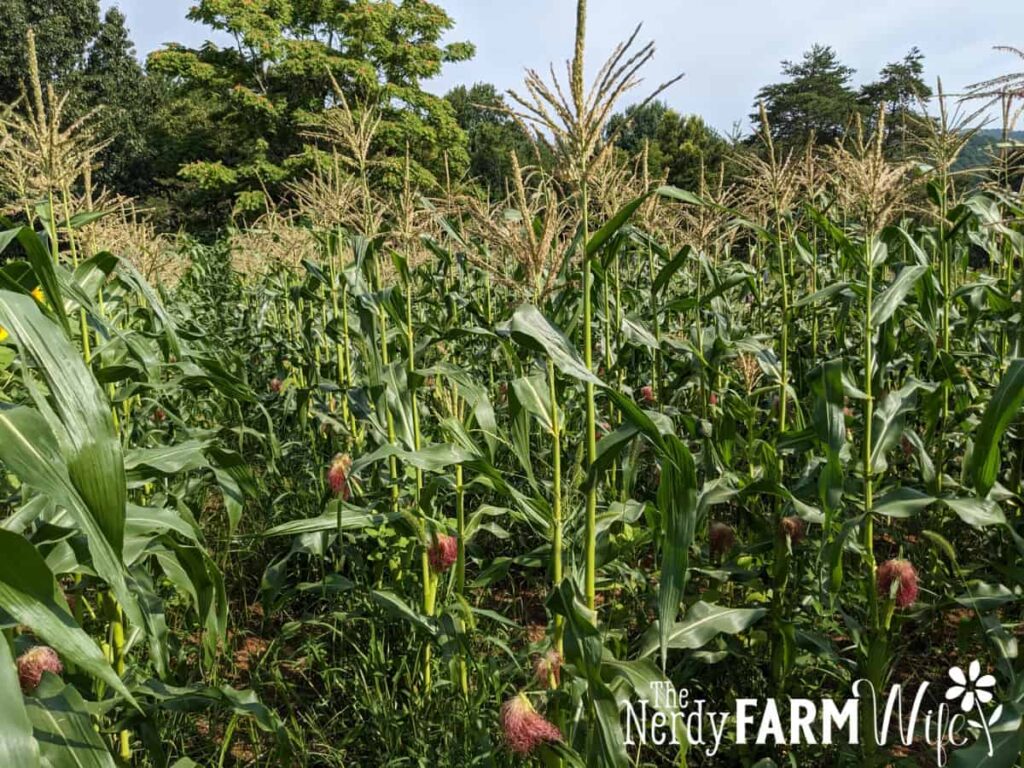
- Spacing: Rows of corn should be spaced 30 inches apart. As for spacing within the row, the corn’s variety will have a part to play here- some varieties require closer spacing, others need more space. Sweet corn is also usually planted a little closer together than flint, dent, and flour corn. Spacing can range from just 12 inches apart (often this is for sweet corn) to 24 inches apart (usually what flint, dent, and flour corn want).
We like to grow both ‘Silver Queen’ and ‘Serendipity Bicolor’ sweet corn, both of which are supposed to be spaced 12 inches apart. We sow them by dropping 2 seeds every six inches, then thinning down to one seedling every 12 inches. - Estimated days to germination: Anywhere from 8 to 21 days, depending on soil warmth.
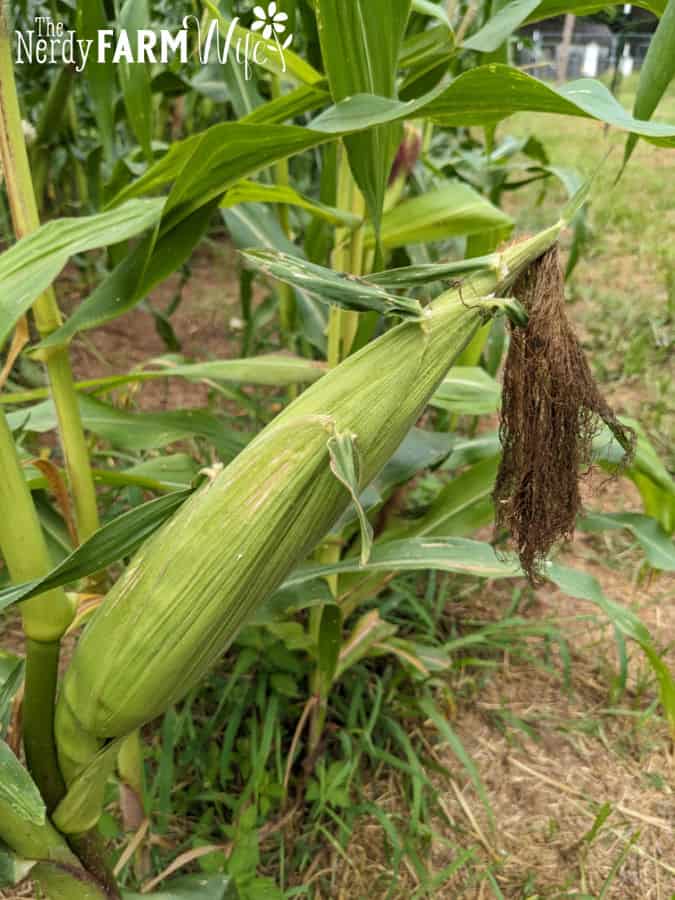
- Cold-hardiness: No. Corn is not cold-hardy.
- Sun required: Full sun. Corn would like to politely ask for 6-8+ hours of direct light, please!
- Soil requirements: Corn is a heavy feeder with a shallow root system. Luckily, it actually tolerates a pretty wide range of soil types. It mainly requires well-draining tilled soil. Ideally, that soil will be nice and fertile with some mixed-in organic matter.
- Support required?: Usually, corn is not provided any support, or in some cases, can instead provide support to another plant, such as pole beans. However, very tall varieties of corn, or simply any corn if you live in particularly windy areas, have the potential to sometimes break and fall over. So some people do in fact find they need to give their corn a little helping hand, sometimes with the occasional stake, sometimes with a fence to lean on.
Cucumbers
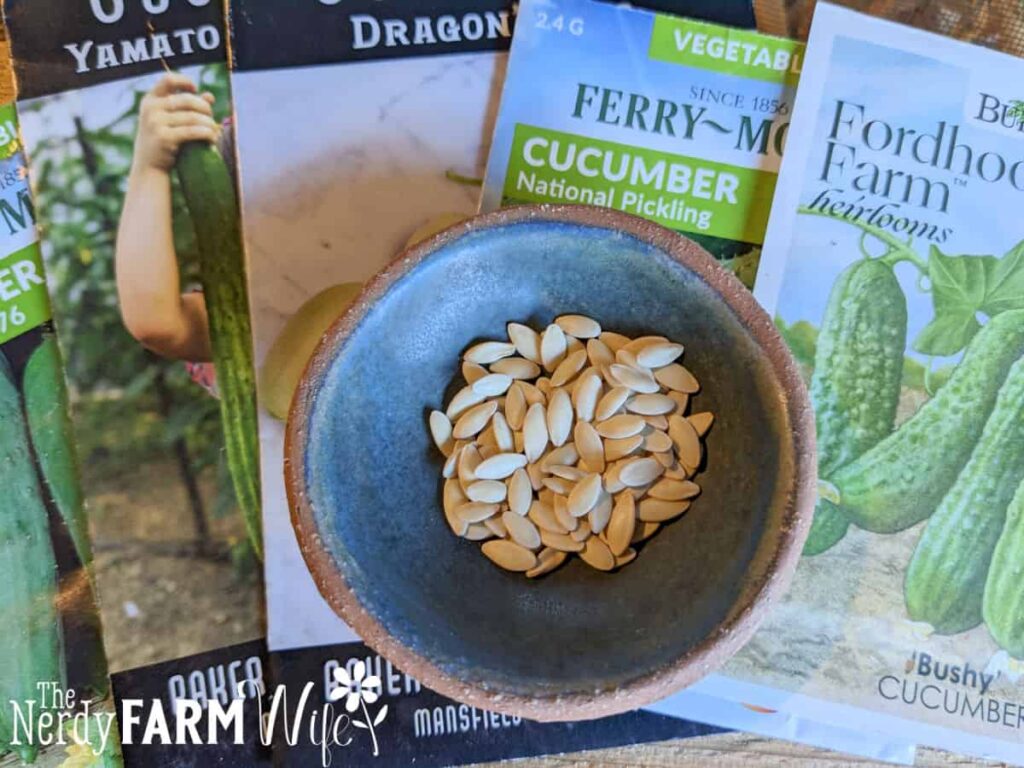
- Seed size: Medium
- When to start: Can be started indoors 2-4 weeks before planting for a head start on the season, or direct-sow outdoors after all risk of frost has passed (about 1-2 weeks after estimated final frost date)
- Sowing method: Sow cucumber seeds 1/2 to 1 inch deep, both if direct-sowing outdoors or starting indoors. This is easily done just by poking a hole in the soil with a finger, dropping the seed inside, and then covering it up.
- Spacing: Cucumbers tend to be spaced anywhere from 6 inches apart (smaller, denser varieties) to 12 inches apart (larger, more sprawling varieties). We like to plant ours along trellises, so they end up just being 12 inches apart, but some people like to let the cucumbers grow in rows in the ground- if that’s the case, then cucumber rows should be about 3 feet apart (up to 5 feet, if you’ve got a variety that really likes to sprawl)!
- Estimated days to germination: Around 5-7 days.
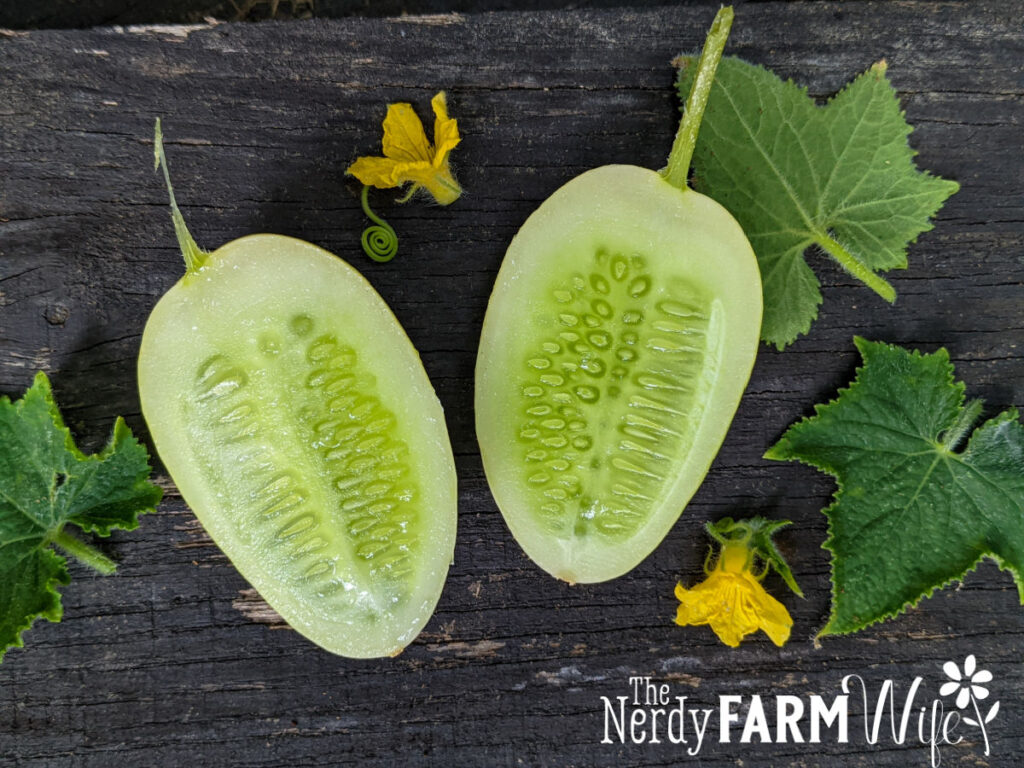
- Cold-hardiness: No. Cucumbers do not tolerate frost.
- Sun required: Full sun, 6+ hours.
- Soil requirements: Cucumbers are heavy feeders! Ideally, try to provide well-draining soil, and watch your cucumber leaves closely for any signs of nutrient deficiencies. A good dose of compost doesn’t hurt! Do watch out, though, and don’t just dump a bunch of fertilizer in the ground- excessive nitrogen in the soil can lead to bitterness in cucumbers.
- Support required?: Yes and no. Cucumbers can be left to sprawl over the ground, but it can make it easier to spot and harvest cucumbers if they’re trained or tied to a trellis. Keeping cucumbers off the ground also helps reduce the chance of bad spots and some kinds of disease.
Lettuce
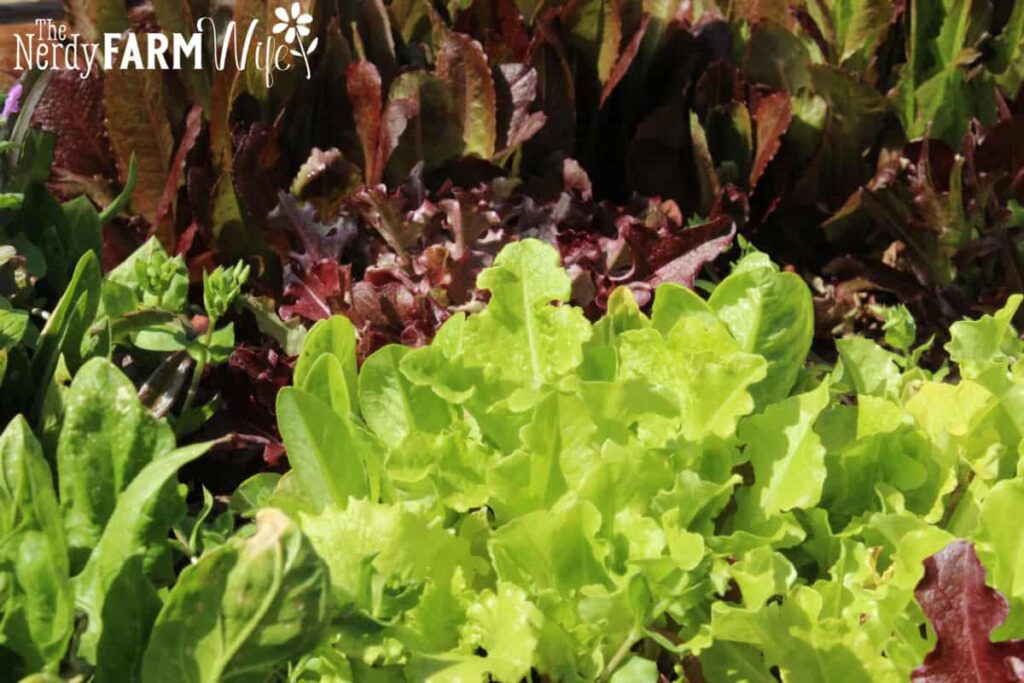
- Seed size: Small
- When to start: Direct sow into garden as soon as soil can be worked (usually 2-4 weeks before your estimated final frost date), or start seedlings indoors several weeks earlier. Additional seeds can be sown ever 2-3 weeks for continuous harvests, until summer heat builds up- lettuce usually refuses to germinate once temperatures reach 80° F+.
- Sowing method: Direct sow outdoors or start indoors for an early headstart in spring. Sow seeds 1/4 of an inch deep.
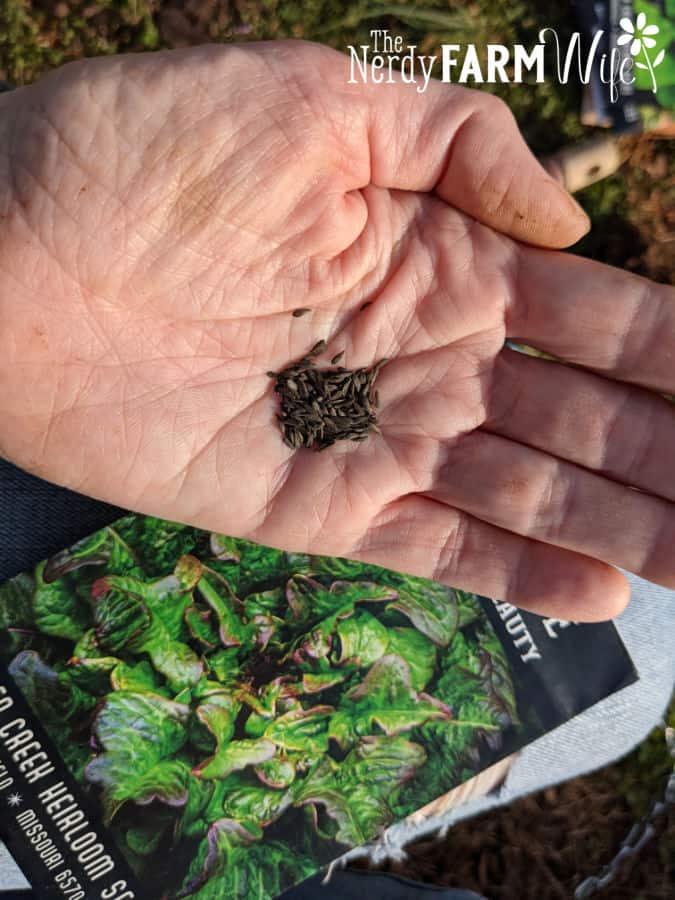
- Spacing: Heading lettuce should be planted or thinned to 10-16 inches apart (it depends on variety- check your packet!) in order for proper heads to form and grow. If growing loose leaf lettuce, plants can be left very close together. Official advice is to thin loose leaf lettuce down to a spacing of 1 plant every 4 inches. Rows can be 4-12 inches apart (depending, again, on variety).
- Estimated days to germination: 7-14 days
- Cold-hardiness: Yes, lettuce is cold hardy! Some varieties have better cold resistance than others, but lettuce in general is a cool-weather crop and can last well into the cooler months, especially if some cover is provided against frost.
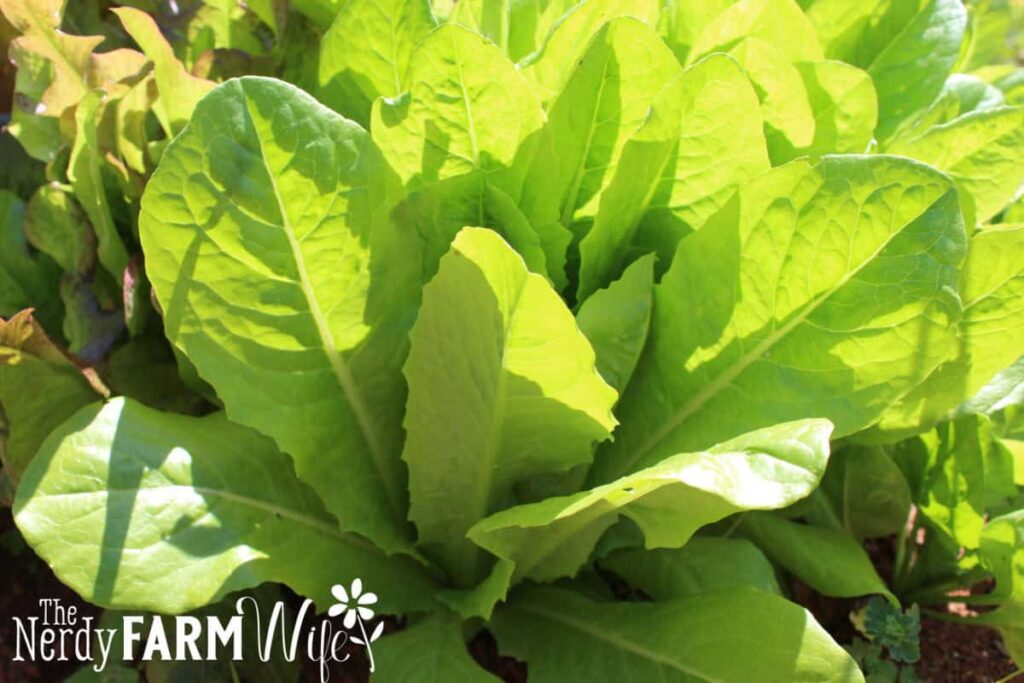
- Sun required: Part shade to full sun (4-8+ hours of sunlight a day). Full sun is preferred, but some varieties do well in partial shade. Providing daytime shade during warmer weather can sometimes help slow bolting in those varieties.
- Soil requirements: Fairly unpicky and undemanding, in my experience. As with many garden plants, it prefers loose, well-drained soil and little competition (make sure to keep on top of weeding!). Roots are very shallow, so it’s mostly important to make sure you have a way to keep the plants watered!
- Support required?: No, lettuce does not need support.
Peas
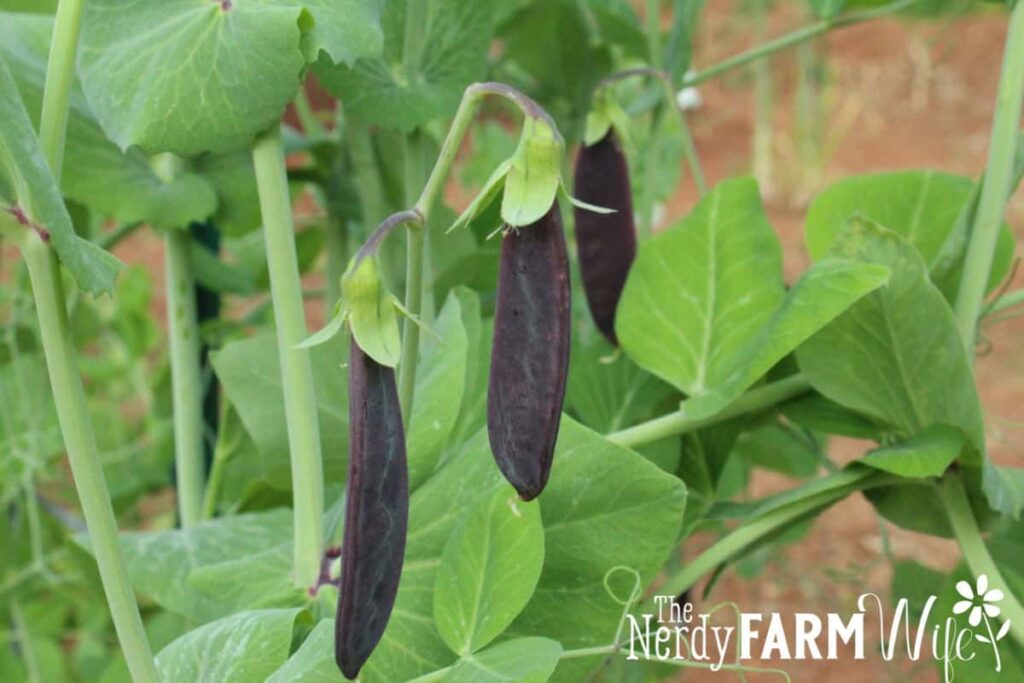
- Seed size: Medium
- When to start: As soon as the soil can be worked in the garden.
- Sowing method: Direct sow outdoors, 1 inch deep. Pea seeds can optionally be soaked or treated with an inoculant before sowing, if desired.
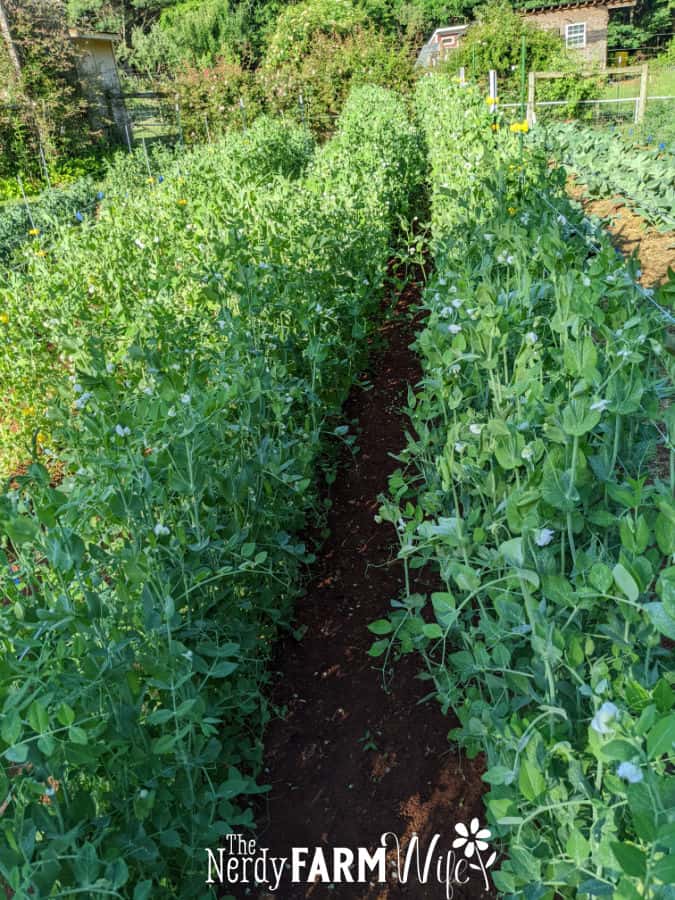
- Spacing: Peas should be planted 2 inches apart (sometimes this may rise or drop a bit, depending on variety- one kind I’ve planted said to sow 4 inches apart, so make sure to double-check your packet!). Rows can be single, or you can plant double rows (one on each side of a trellis or supportive structure- the image below has peas planted in double rows) that are 4 inches apart from one another. Those single or double rows are then set 2-3 feet apart from one another.
- Estimated days to germination: 7-14 days, sometimes up to 18. If seed has not germinated by 20 days, dig up some to make sure that the seed didn’t rot.
- Cold-hardiness: Yes, cold-hardy
- Sun required: Full sun (6-8+ hours of direct sunlight). They can survive in partial shade but harvest will be lighter and plants are often not as vigorous.
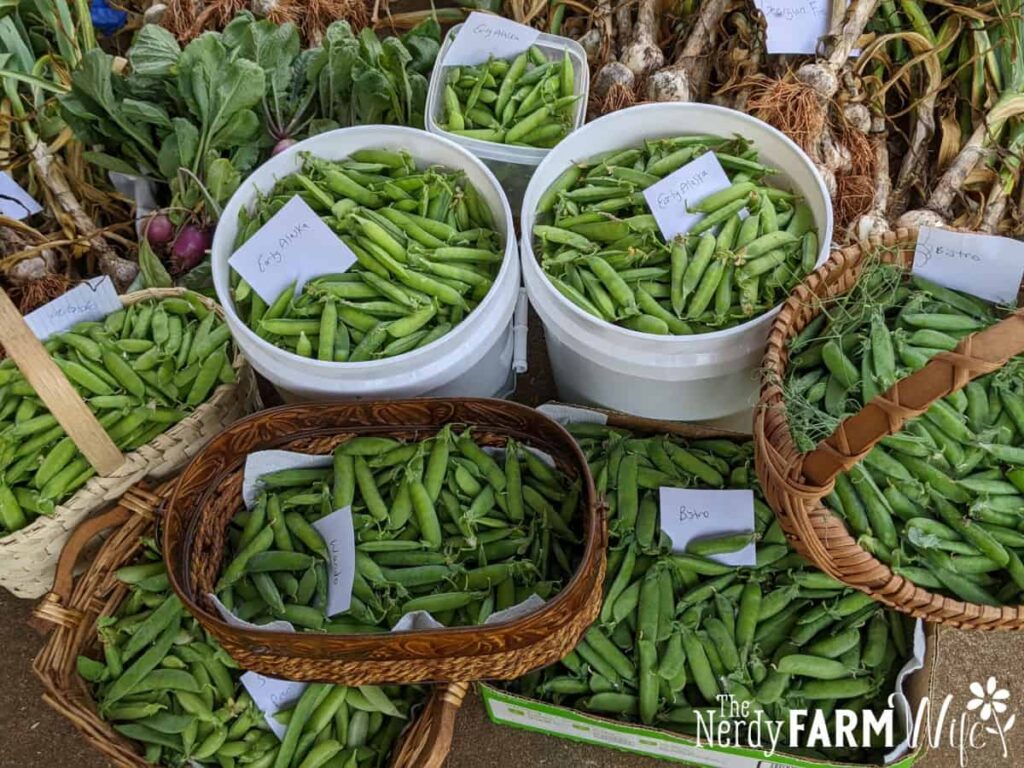
- Soil requirements: Peas are tolerant of a wide range of conditions as long as the soil provided is well-draining.
- Support required?: Yes, a trellis or other supportive structure will be needed for tall pea varieties, or else peas will sprawl on the ground. There are some varieties which are short and do not need support, but most peas are tall or long enough to need something to support them.
Peppers
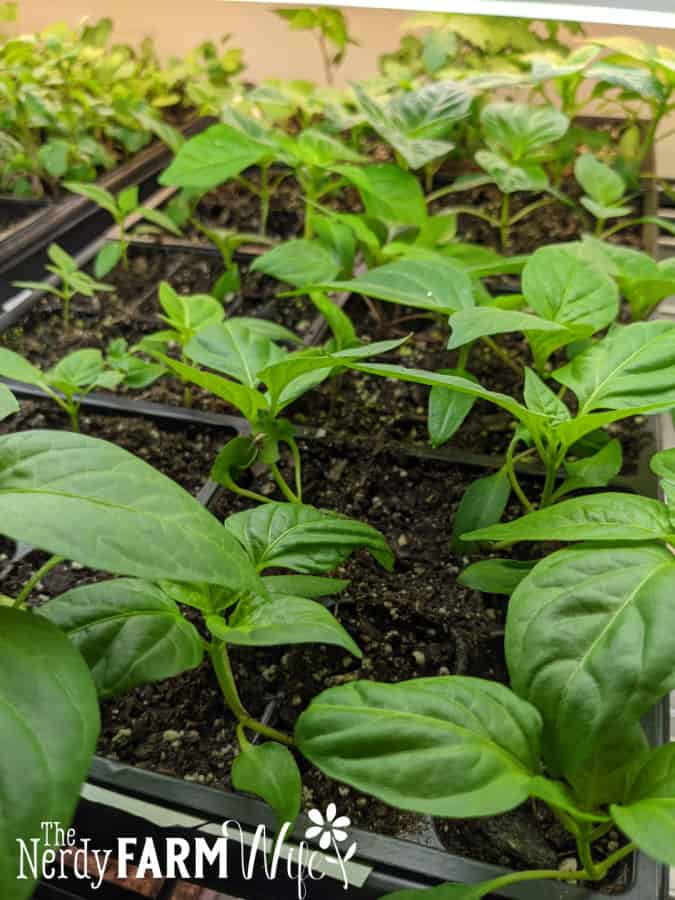
- Seed size: Medium-small
- When to start: 8-10 weeks before estimated final frost date.
- Sowing method: Start indoors in seed flats or containers. Sow pepper seeds 1/4 inch deep.
- Spacing: Peppers plants should be spaced 1 1/2 feet apart from one another, with rows being 2 1/2 to 3 feet apart, in theory. In practice, the peppers I plant just about always end up being more around just a little over a foot away from one another, and I’ve not noticed any negative effect on the harvest yet!
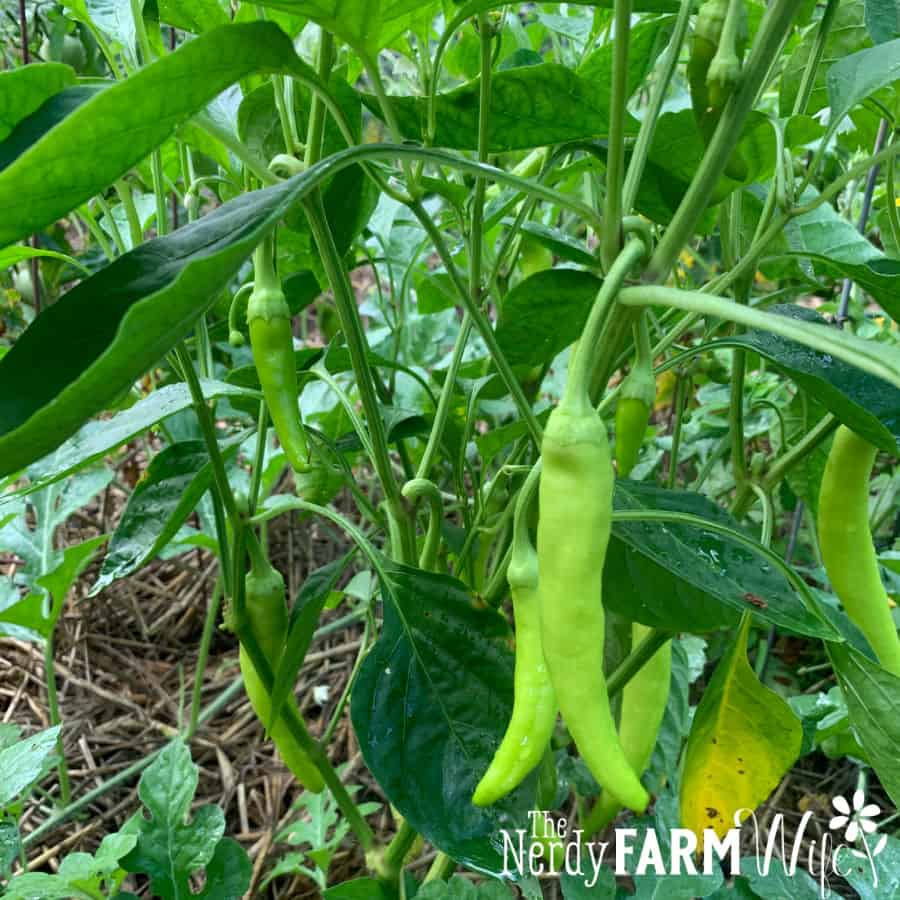
- Estimated days to germination: 7-21 days- quicker germination comes from warmer soil. Keep seedling tray away from drafts and cold windows. If that still doesn’t do the trick, try a seedling heat mat (it should be a heat mat created for seedlings, do not use a normal heating pad made for humans) to raise the soil temperature.
- Cold-hardiness: No, not cold-hardy. Peppers will die very easily and quickly in the cold!
- Sun required: Full sun (6+) hours- though, for a quick note, sometimes if peppers are planted so they get a little bit of shade during the hottest part of the day in summer, it can help reduce the sun-scald some varieties are prone to.
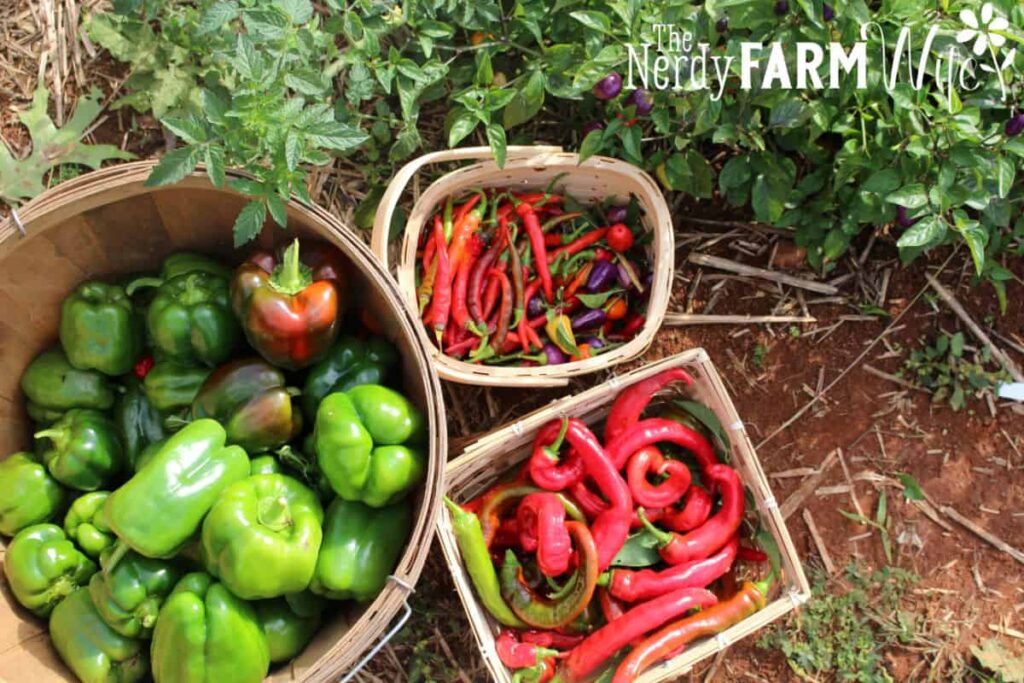
- Soil requirements: Rich soil, well-draining. A generous dose of compost mixed in with the soil will give them what they want!
- Support required?: Sometimes- peppers that produce very big peppers or bear very heavily can end up snapping their own branches under the weight of what they grow. Often I see plants leaning over with how heavy they get! A cage (like a tomato cage) or tying the plants to a securely driven-in stake can sometimes assist with this.
Southern Peas (Cowpeas, Black-eyed Peas, Field Peas, Crowder Peas)
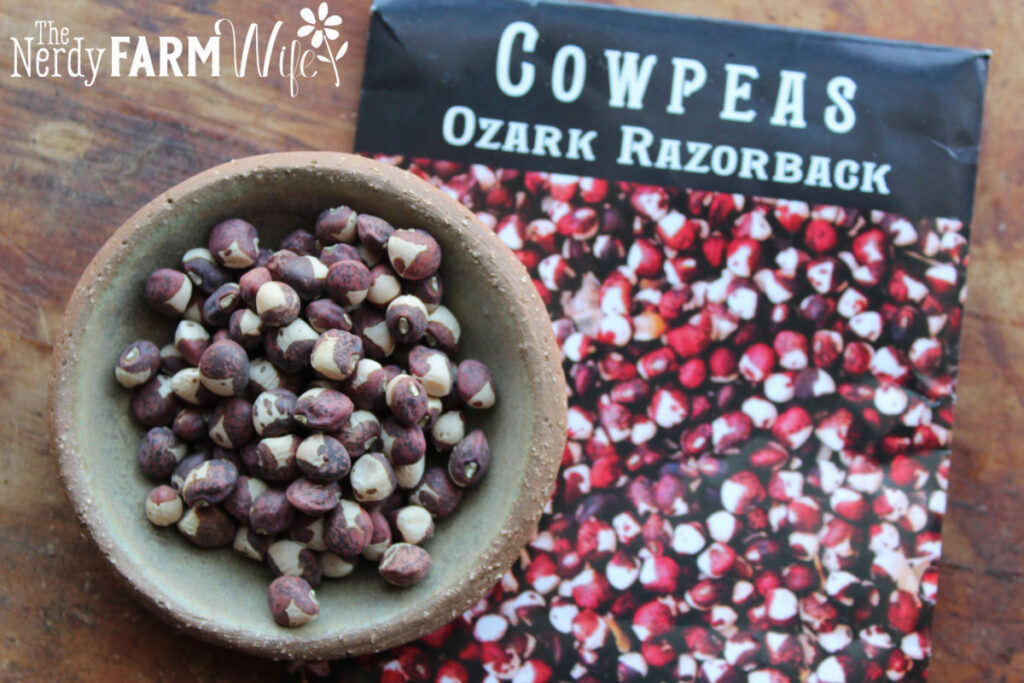
- Seed size: Medium (about the size of corn seed)
- When to start: After all risk of frost has passed and warmer weather has moved in, about 3-4 weeks after your estimated final frost date. Southern peas like warm weather!
- Sowing method: Direct sow seed 1 inch deep.
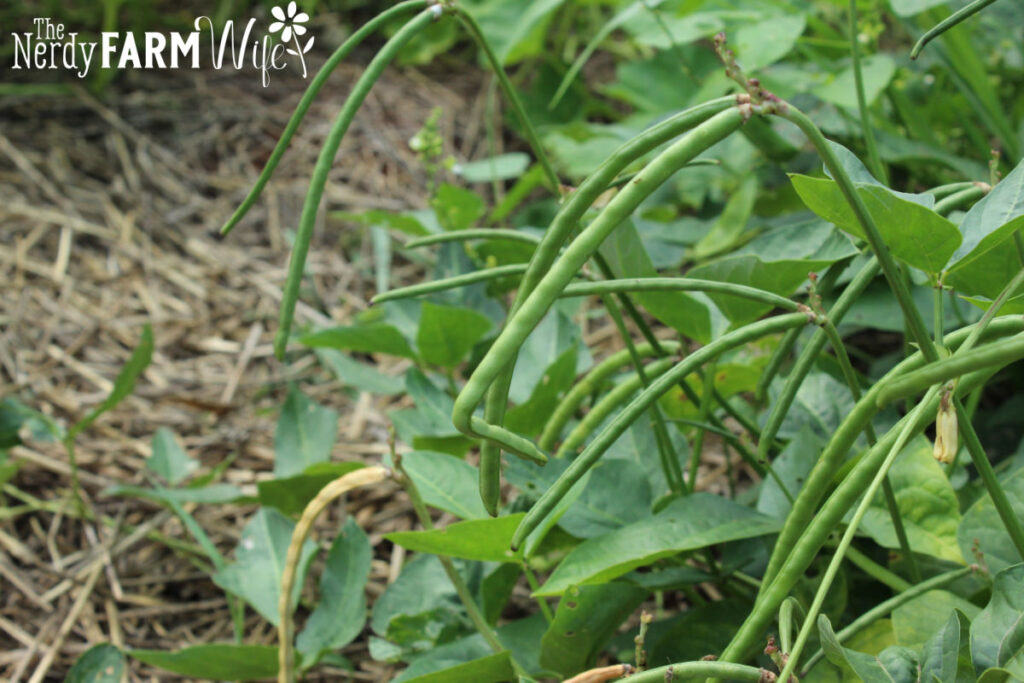
- Spacing: Plants should be 4 inches apart from one another. They can be sown every 2 inches and thinned down to being 4 inches apart, or they can just be planted at 4 inches to start (which is what I like to do). Rows should be spaced 3 feet apart from one another.
- Estimated days to germination: 4-14 days.
- Cold-hardiness: None. Southern peas are not cold-hardy.
- Sun required: Full sun (6+ hours)
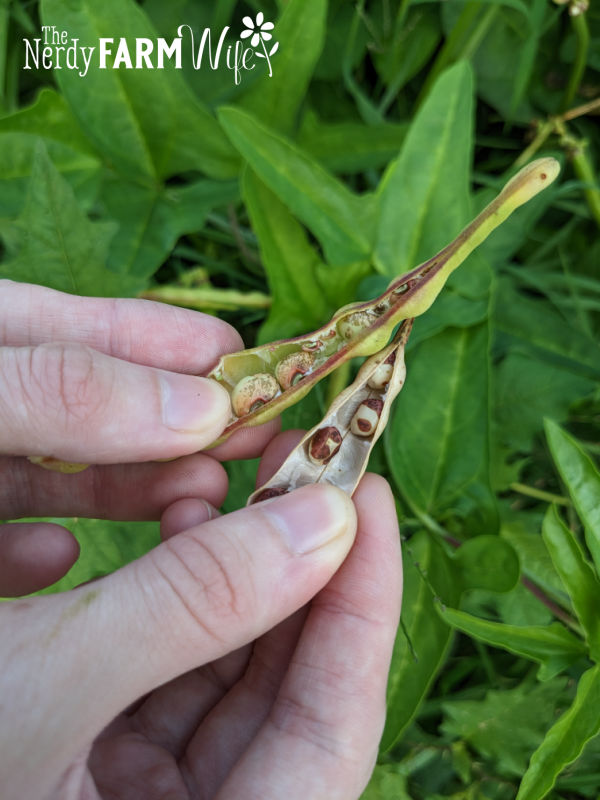
- Soil requirements: Well-draining soil is about all southern peas ask for. They’re very tough! Southern peas can grow even in poor soil (though very, very poor soil can result in reduced yield), and can even be used as a cover crop to help improve the soil.
- Support required?: Sometimes. Some varieties climb way more than others, and need a pole or trellis to grow up.
Spinach
The instructions here are for spinach (Spinacia oleracea); they do not apply to New Zealand spinach (Tetragonia tetragonioides), which has its own, different growing instructions!
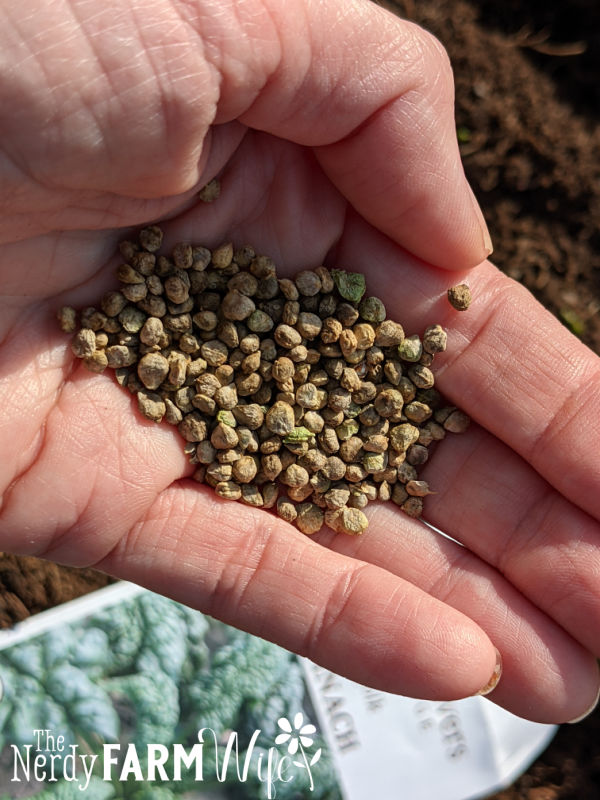
- Seed size: Medium-small
- When to start: As soon as the ground can be worked in spring. Spinach and summer heat do not get along at all, so for a fall crop, sow seeds 3-4 weeks before your estimated first fall frost.
- Sowing method: Direct sow outdoors in the garden, sowing seed 1/2 an inch deep. For succession planting, sow more every 2-3 weeks.
- Spacing: Individual spinach plants should be 4-6 inches apart. Rows are supposed to be about 1 ft apart, but I’ve planted them at 6 inches apart and things were still fine, so there’s some flexibility there.
- Estimated days to germination: 6-10
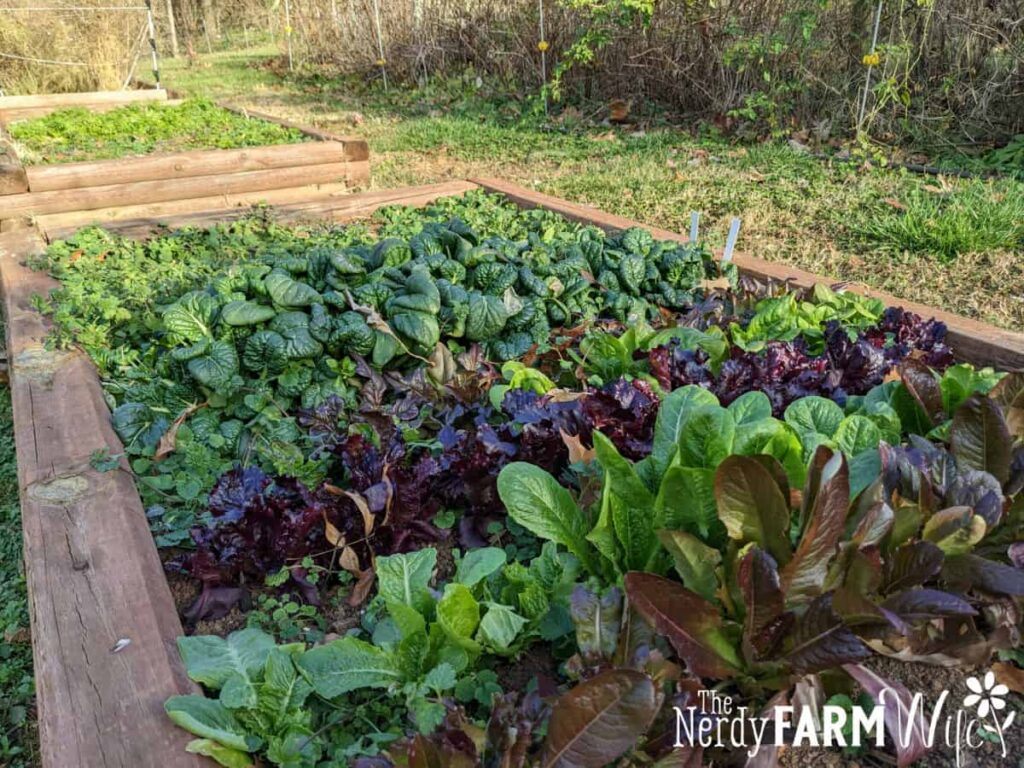
- Cold-hardiness: Great cold-hardiness! Some varieties of fall-planted spinach are even cold-hardy enough to overwinter in some climates.
- Sun required: Full sun, but can tolerate partial shade.
- Soil requirements: Fertile, well-draining soil! Make the soil rich by working several inches of good compost in, and make sure there’s not too much clay in the soil. Spinach hates being constantly soggy at the feet for too long. Lean more on the ‘sandy loam’ side for spinach, if you have a way to provide it.
- Support required?: No. Spinach does not need support.
Summer Squash/Zucchini
All zucchini are summer squash; however, not all summer squash are zucchini! That being said, the instructions for growing them are identical.
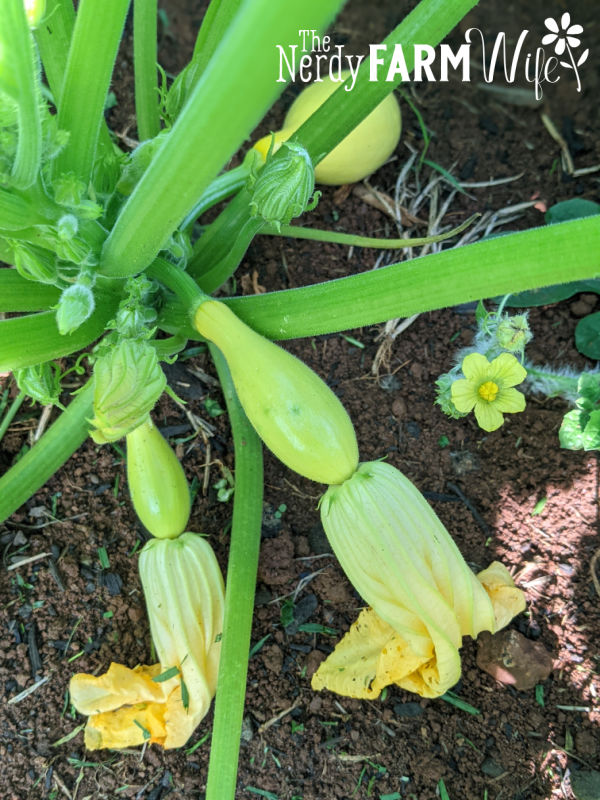
- Seed size: Large
- When to start: For outdoor sowing, after all risk of frost has passed and warm weather has moved in, 3-4 weeks after your estimated final frost date. Alternatively, start transplants indoors 3-4 weeks early, and plant out transplants at the same time you would be direct-sowing seeds.
- Sowing method: Direct sow seeds outdoors 1/2 to 1 inch deep. Transplants should be started in containers with plenty of room for root growth, also sown 1/2 to 1 inch deep.
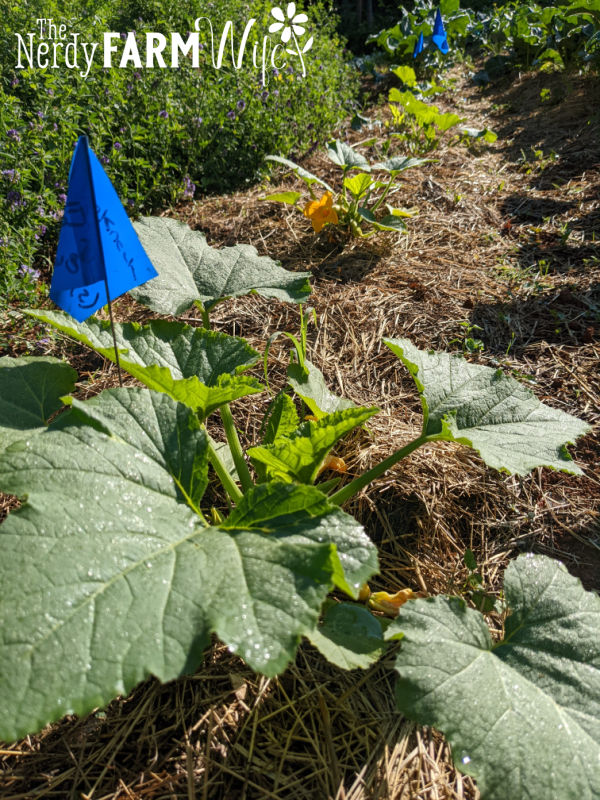
- Spacing: Bush varieties of summer squash and zucchini should be anywhere from 1-3 feet apart from one another, with rows at least 3 feet apart. Vining varieties will need more space- 2-4 feet apart from one another, with rows 3+ feet apart. Spacing can vary for a number of summer squash plants: make sure to check your seed packet for variety-specific spacing instructions.
- Estimated days to germination: 5-14 days. Indoor transplants tend to pop up quicker than directly-sown outdoor seeds.
- Cold-hardiness: None to be seen! Summer squashes just can’t handle the cold.
- Sun required: Full sun!
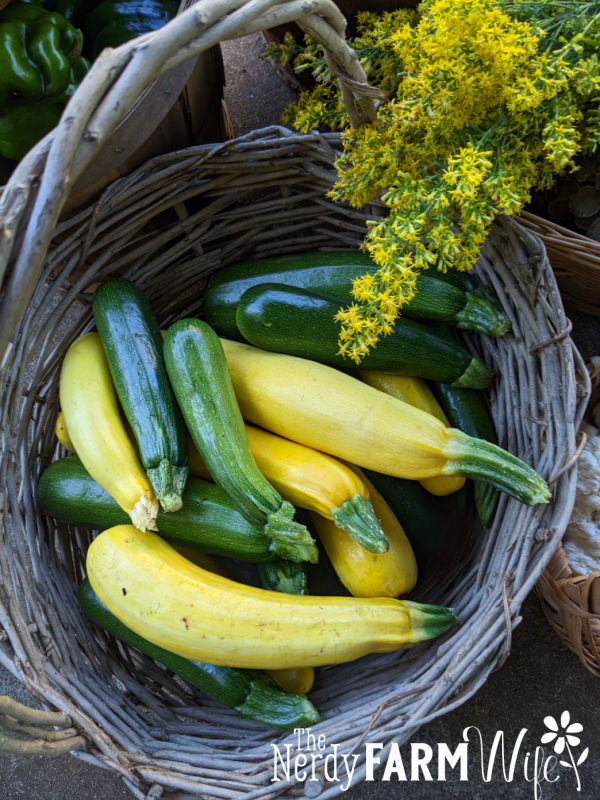
- Soil requirements: Rich soil, well-draining, and it’s a good idea to make sure you have your plants growing somewhere with easy access to a water source- summer squash and zucchini are thirsty plants! Work plenty of compost into the soil before planting, at least several inches.
- Support required?: Bush varieties: no. Vining varieties: optional, a support can be provided for the plant to grow up if desired.
Tomatoes
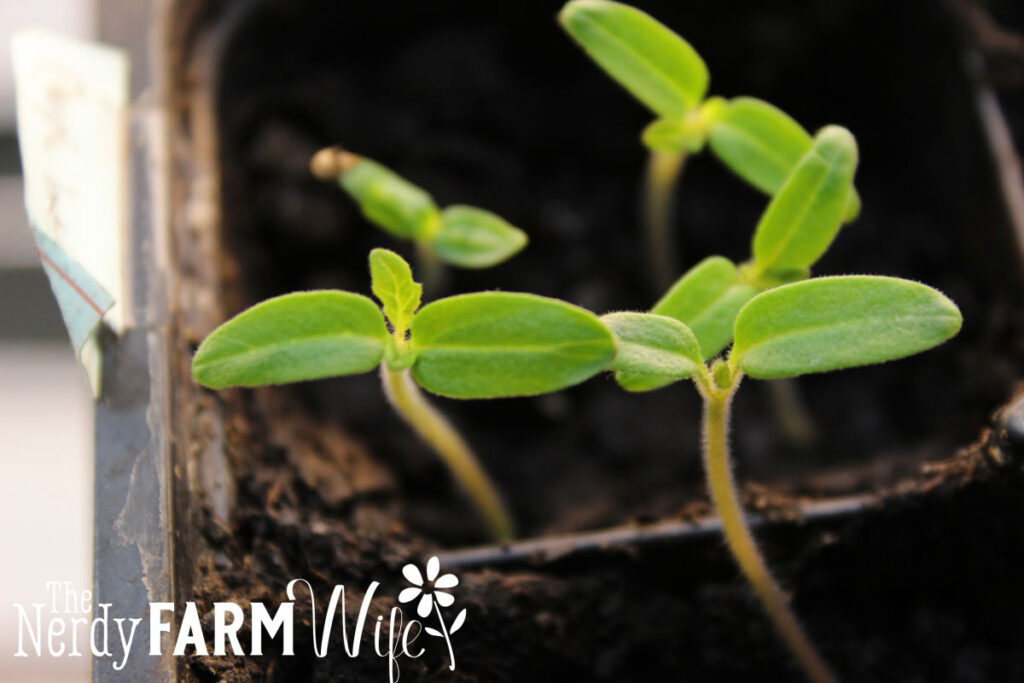
- Seed size: Small
- When to start: 6-8 weeks before estimated final frost date.
- Sowing method: Start indoors, sowing seeds 1/8 of an inch deep in seed trays or containers.
- Spacing: Space plants anywhere from 1 1/2 to 2 feet apart from one another, with rows being 3 feet apart.
- Estimated days to germination: 5-14 days
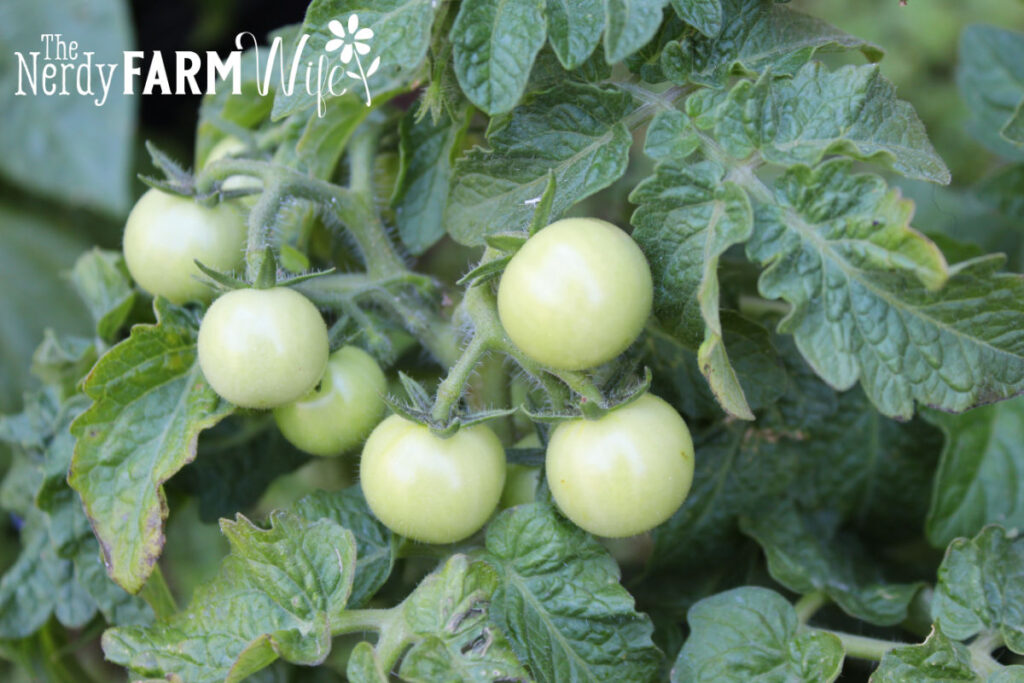
- Cold-hardiness: Not cold hardy. Tomatoes are too tropical to deal with this all this ‘frost’ nonsense!
- Sun required: Full sun- ideally aim for 8+ hours of direct sunlight.
- Soil requirements: Tomatoes are fussy little drama queens! They want rich soil, well dressed up for their tastes. Well-draining and fertile are the demands, and accordingly, we usually have to add and mix in a generous scoop of compost right in the hole we dig for each tomato plant. Sometimes we add a little extra- crushed eggshells for more calcium, for example.
After that, the tomatoes get planted, and then a bucket with holes drilled in it for slow release gets a splash of fish emulsion, filled up with water, and left to slowly drain into the soil next to the newly planted tomato. This fish-emulsion water-bucket set up often ends up being repeated one more time later in the year, when the plants are about 2 feet tall.
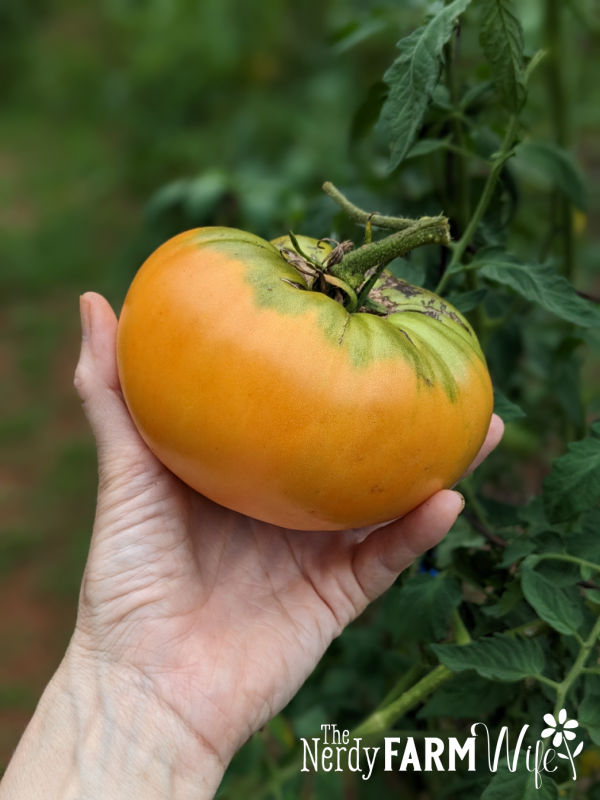
Support required?: Yes! While tomatoes can be left to sprawl on the ground, this often leads to a higher level of disease in plants (picked up from soil contact) and more ruined tomatoes (rot from ground contact, more chances for insects and small creatures to find and nibble on tomatoes, etc.). Tomato cages, poles, or stakes can all work.
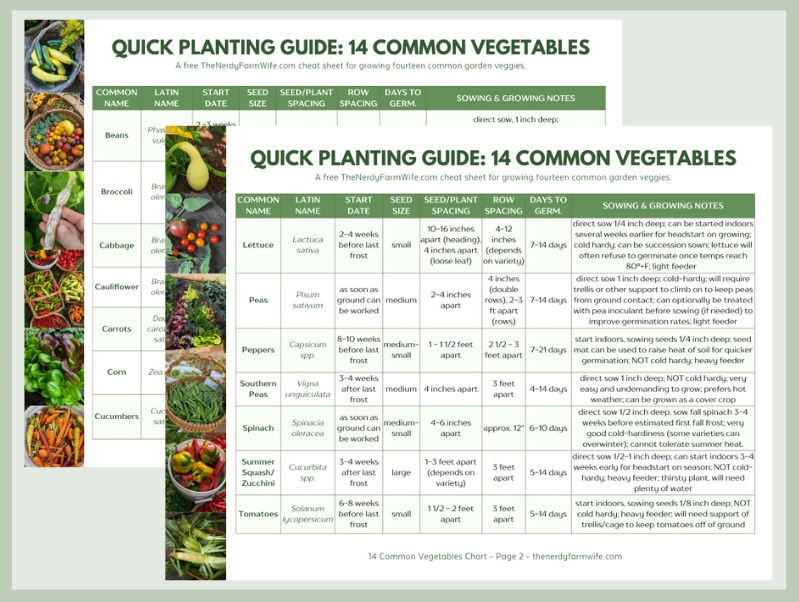
Free Garden Printable! Vegetable Quick Planting Guide
Here’s a free printable “cheat sheet” that summarizes some of the growing information above.
To print out the cheat sheet for planting 14 common veggies:
- Left click on the thumbnail photo above, or click directly on this LINK TO THE CHART
- A high quality pdf printable will open in a new tab. (It’s about 6 mb in size.)
- You can either print it right away and/or download it to your computer
- If you want to share the chart with a friend, send them to this full blog post, since the exact links to printables will sometimes change whenever there’s an update, or when files get moved around.
- If you have trouble printing: (a.) try printing from a non-mobile device and/or (b.) you may need a pdf viewer such as ibooks or adobe acrobat reader